THE SNEAKER FLIP CRISIS
Who Really Wins When Culture Gets Resold?
Collectors lose, bots win, and brands face a difficult question: is hype still helping, or has resale gone too far?
For many buyers, limited releases are gone in minutes—only to reappear on resale platforms at inflated prices.
For years, sneaker culture was built on passion.
It was about the story behind the shoe, the athlete who wore it, the era it represented, and the community that gave it meaning.
Whether it was waiting outside a local shop before sunrise or refreshing a release app at 10 a.m., the chase itself became part of the culture.
Today, that culture feels different.
The rise of flippers and large-scale sneaker resellers has transformed the game from lifestyle into marketplace.
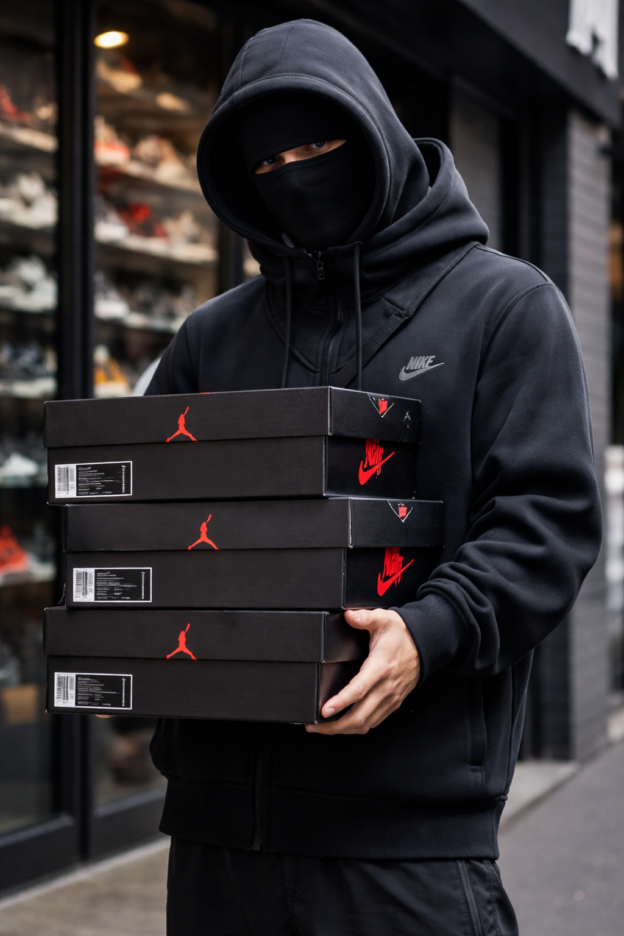
The moment a coveted pair drops, bots and automated checkout software often sweep inventory before everyday buyers can even click “purchase.”
Minutes later, those same pairs show up on resale platforms for double or triple the retail price.
A $150 pair of sneakers suddenly becomes a $400 conversation.
And people are tired of it.
When Passion Became Profit
The issue isn’t resale alone.
Sneaker trading has always existed. Collectors have been buying, trading, and selling grails for decades.
The problem is scale.
What used to be side hustle behavior has evolved into an industrial system.
Entire groups now operate around release calendars, paid alerts, bot software, proxy servers, and warehouse-level inventory stacking.
Sneakers are no longer just shoes.
In many cases, they are treated like financial assets.
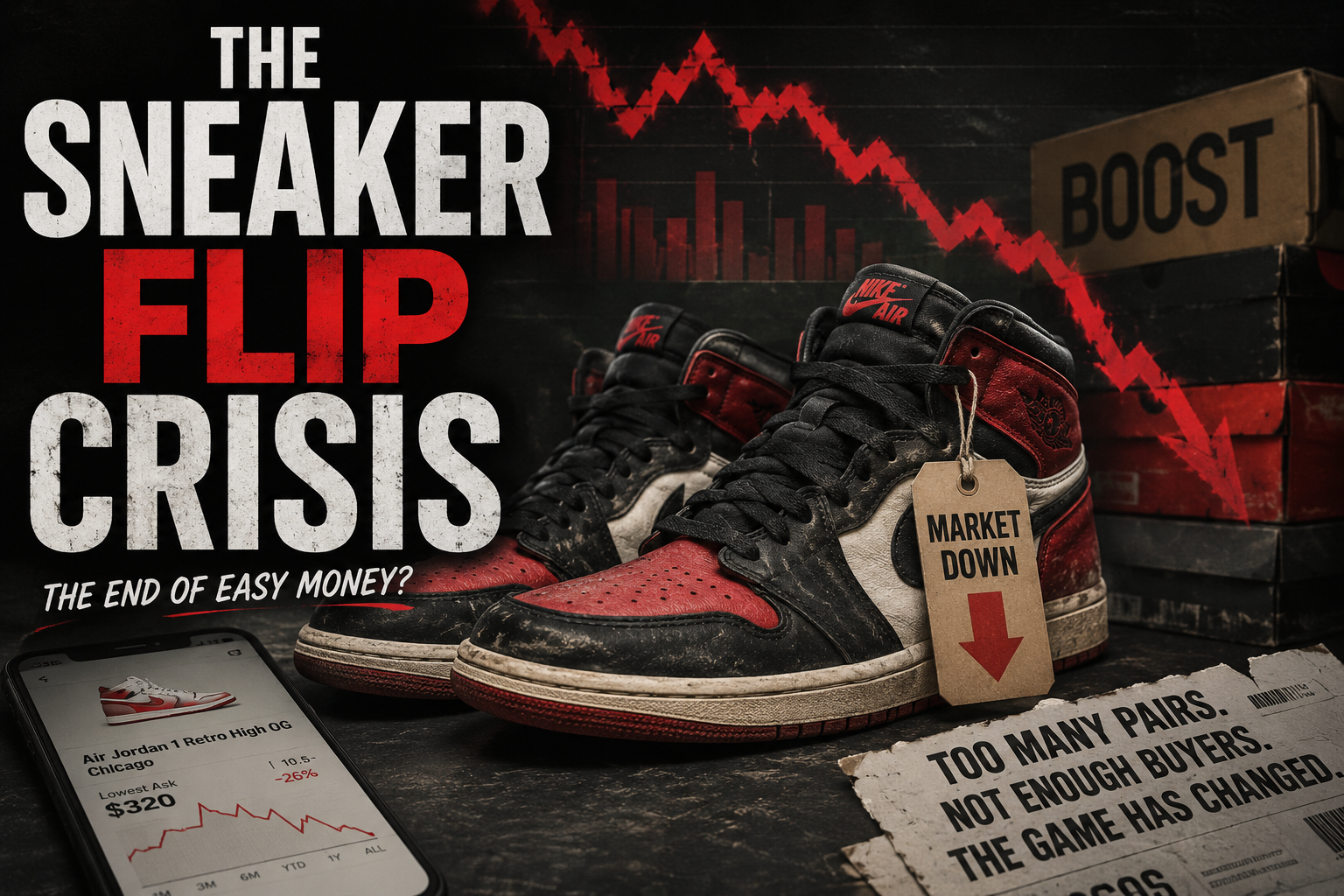
Words like hold, market price, and ROI now sit in the same conversations that once centered around colorways, heritage, and style.
That shift has pushed many real buyers out of the culture they helped build.
The Repair: How Brands Can Fix the Sneaker Game
This problem is not impossible to repair.
The first step is fairer access.
Brands like Nike, Jordan Brand, and Adidas need stronger anti-bot protections, verified purchase systems, and tighter one-pair-per-customer rules for major drops.
Another major fix is reducing artificial scarcity.
Limited releases build excitement, but extreme scarcity fuels the reseller machine.
Wider drops, more frequent restocks, and regional releases could help restore access for actual consumers.
Resale platforms also have a role to play.
Platforms such as StockX and GOAT can work more aggressively to detect suspicious bulk purchasing and repetitive bot-driven activity.
Most importantly, the brands need to bring the culture back to the forefront.
The story behind the shoe should matter as much as the resale price.
Nike’s Profits: The Rise and the Blowback
The reseller market has created both wins and problems for Nike.
On one hand, resale culture helped build hype.
When consumers see a sneaker instantly selling for 2x or 3x retail, it reinforces the idea that the product is valuable.
That hype drove demand for years and helped elevate the prestige of releases like Dunks, Jordans, and collaborations.
In many ways, flippers became free marketing.
But the same system may now be creating fatigue.
Consumers who consistently lose raffles and launches eventually stop chasing.
Some shift toward other brands, while others disengage altogether.
That frustration matters.
Nike only profits from the original retail sale.
If a shoe retails for $180 and later resells for $450, Nike does not receive the markup.
The reseller takes that profit.
The concern is long-term brand loyalty.
When real customers repeatedly feel locked out, that frustration can eventually impact sales momentum.
The question now is whether hype is still helping — or whether the culture has been pushed too far toward extraction.
“At some point, the sneaker stopped being about the foot and started being about the flip.”