Dtlr (we are the culture)
How a retailer became part of the neighborhood, not just the marketplace
There are stores that sell sneakers.
Then there are stores that understand why sneakers matter.
That’s where DTLR carved out its lane.
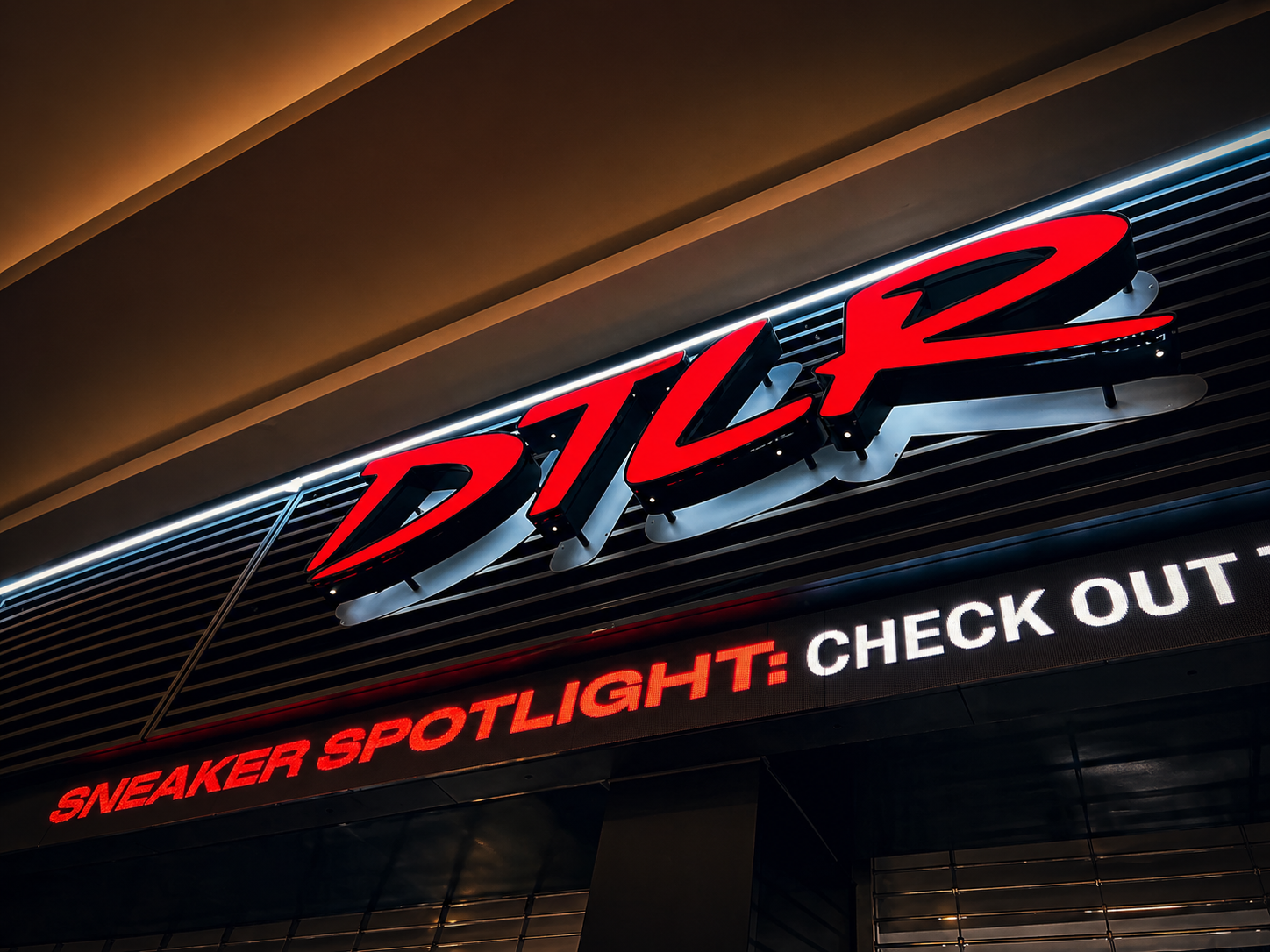
Originally known as Downtown Locker Room, DTLR grew out of Baltimore and the DMV region before becoming one of the most recognizable names in urban footwear and apparel retail. What separated it from competitors was never just product selection.
It was culture.
DTLR understood early that streetwear was not only about shoes and clothing — it was about identity, neighborhood pride, music, and movement.
More Than a Shoe Store
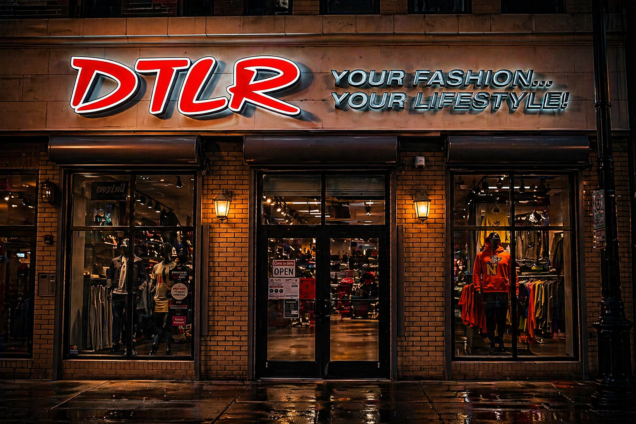
From the outside, DTLR looks like a sneaker retailer.
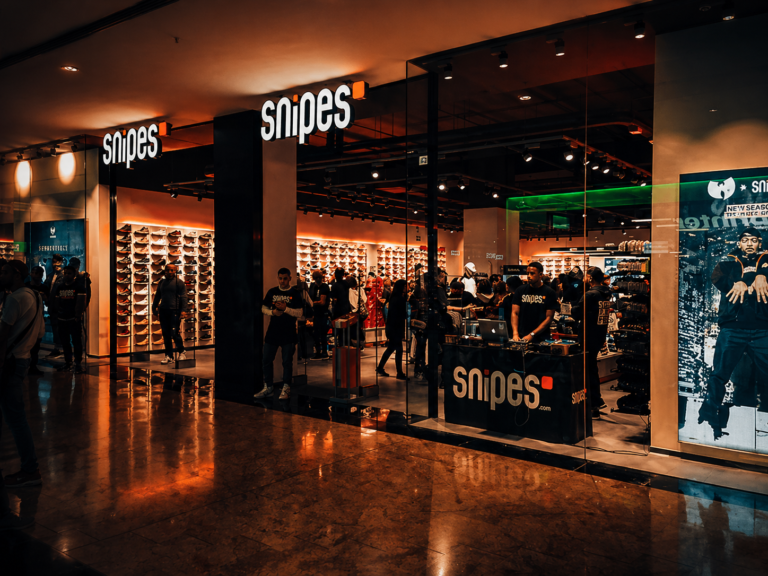
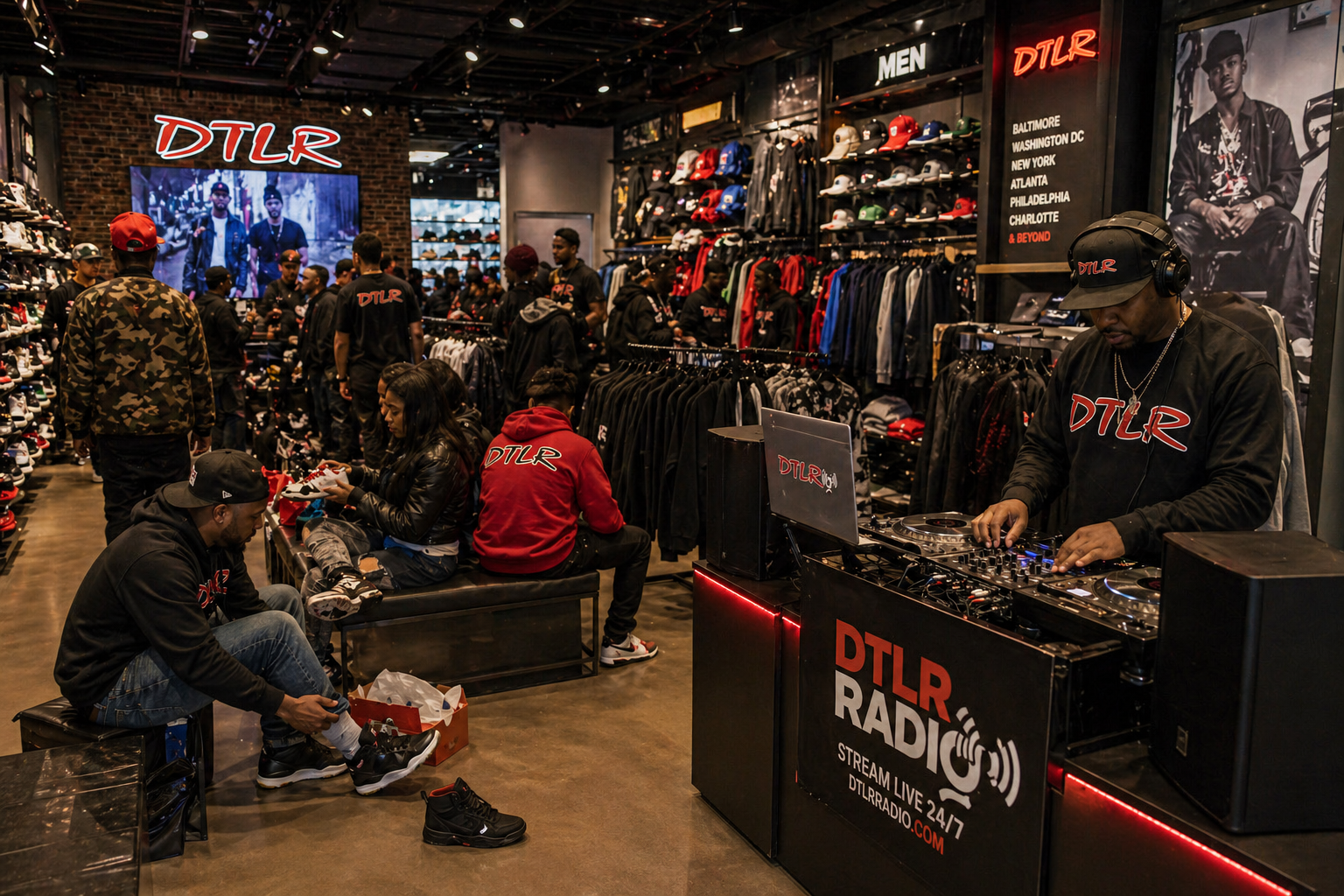
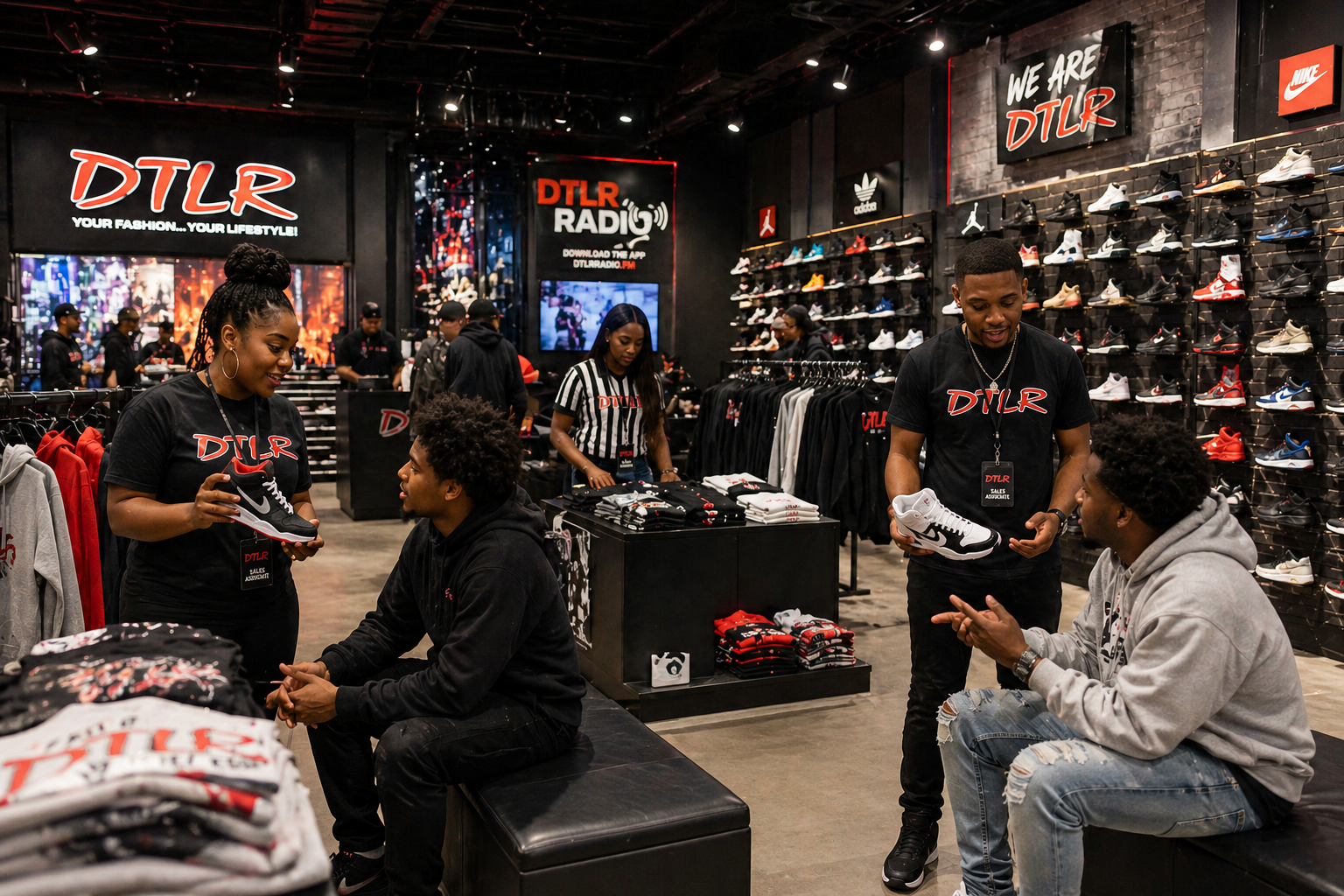
Inside, it feels closer to a community touchpoint.
The brand built its reputation by placing stores in neighborhoods where street culture was already thriving rather than trying to manufacture it from the outside. That authenticity helped build trust and loyalty.
Its own corporate language reinforces this idea: DTLR describes itself as a lifestyle retailer serving young, trendsetting multicultural audiences through fashion, music, sports, and community empowerment.
That’s a very different approach from mall-driven chains that focus only on releases and transactions.
Music as a Cultural Connector
One of the smartest ways DTLR tapped into the streets was through music.
The company has long leaned into in-store radio, artist appearances, and live DJ experiences, helping the shopping environment feel more like a cultural space than a standard retail box.
Its DTLR Radio presence became part of the brand’s identity and allowed it to speak directly to the communities it served.
That matters because in street culture, music and fashion move together.
Shoes are often introduced through:
- Artists
- DJs
- Dancers
- Athletes
- Local tastemakers
DTLR understood that before many of its competitors.
Community First, Product Second
Another reason DTLR resonates is its heavy focus on community outreach.
The company has historically supported:
- Local schools
- Neighborhood events
- Nonprofit donations
- Toy drives
- Youth programs
That commitment has been part of its public identity for years.
This is where DTLR truly taps into street culture.
Street culture is not just what people wear.
It’s who they represent.
A brand that shows up for the neighborhood earns credibility.
Why It Works
DTLR succeeds because it understands that streetwear is emotional.
People don’t just buy Jordans, Adidas, Puma, or New Balance.
They buy what those brands mean.
DTLR’s strength has always been translating that meaning into a retail experience that feels rooted in real neighborhoods and real communities.
That’s why it has remained relevant even as the retail landscape shifted.
DTLR doesn’t just stock the streets — it speaks their language.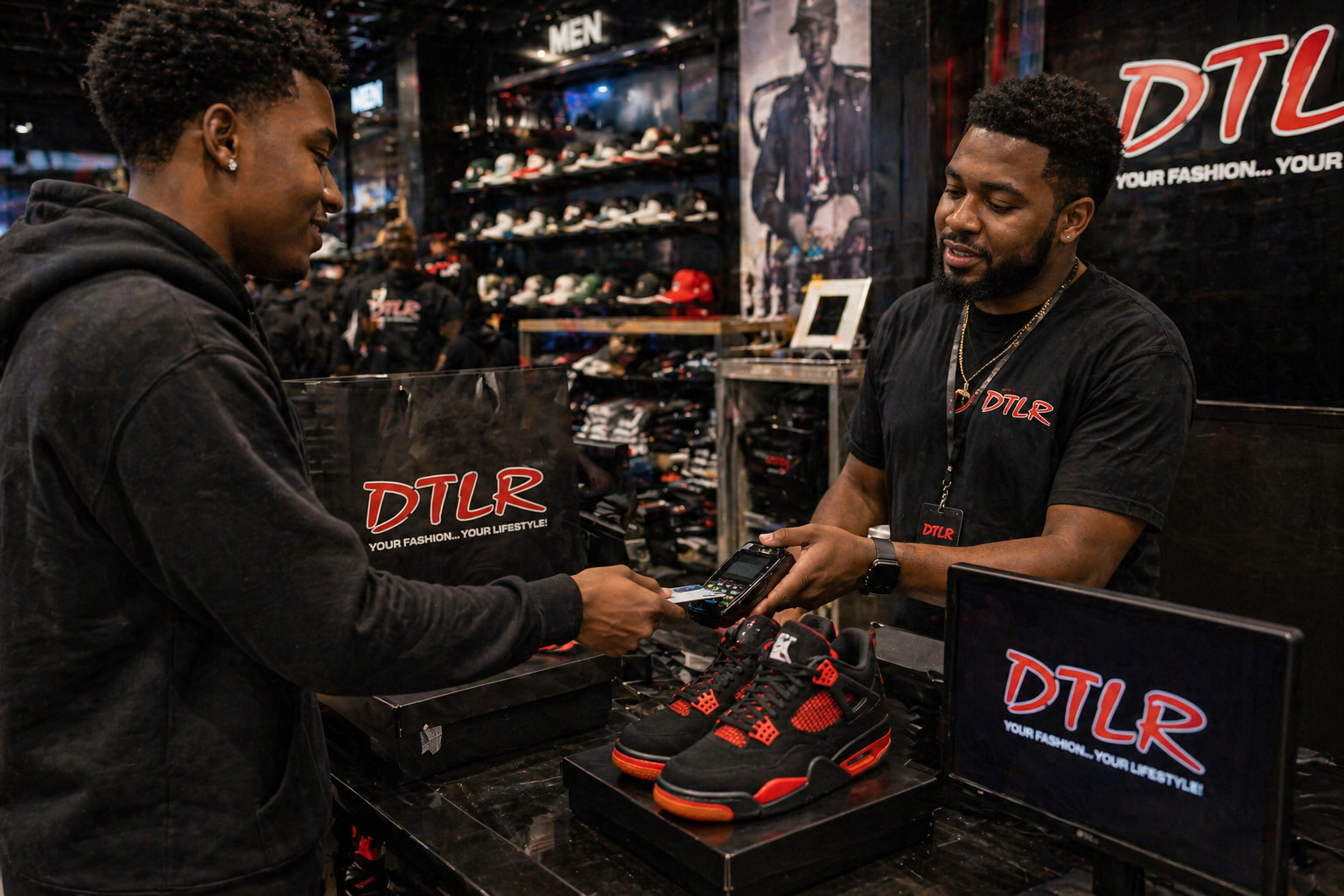
Final Word
In an era where many retailers chase hype, DTLR’s long-term strength comes from something more powerful:
cultural alignment.
By connecting sneakers, music, local community, and identity, DTLR became more than a store.
It became part of the conversation happening in the streets.
And that’s exactly why it continues to matter.