Firearms and Black America “Let’s talk about it”
The Black Community and Guns
When discussions about firearms and the Black community arise, the conversation is often shaped by crime statistics, media narratives, and political debate. Yet one important perspective is frequently overlooked: millions of law-abiding Black Americans who believe in exercising their constitutional rights responsibly.
The Second Amendment was not written for one group of Americans. It was written for all Americans.
For many Black families, the right to own a firearm is not about aggression or intimidation. It is about the same principles that motivate countless citizens across the country: protecting loved ones, defending one’s home, and exercising a constitutional right guaranteed under the law.
Too often, lawful Black gun owners are overshadowed by the actions of criminals. But criminals do not define any community. The overwhelming majority of Black Americans are hardworking, law-abiding citizens raising families, building businesses, serving in the military, and contributing to society. They should not be stigmatized for choosing to legally own firearms.
History also provides important context. Throughout American history, Black communities have at times relied on lawful self-defense when institutions failed to protect them. The exercise of constitutional rights has long been intertwined with the pursuit of equality and citizenship.
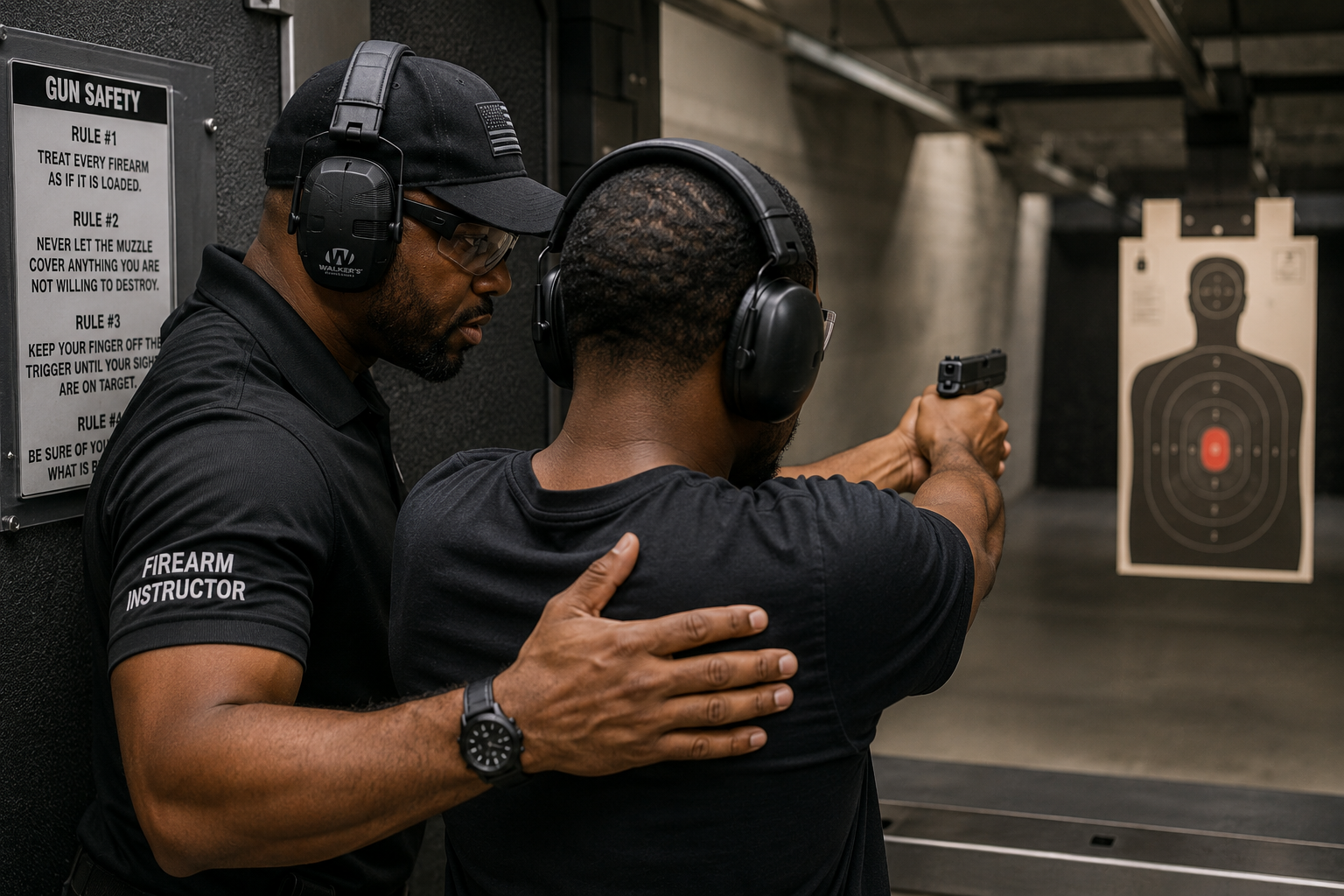
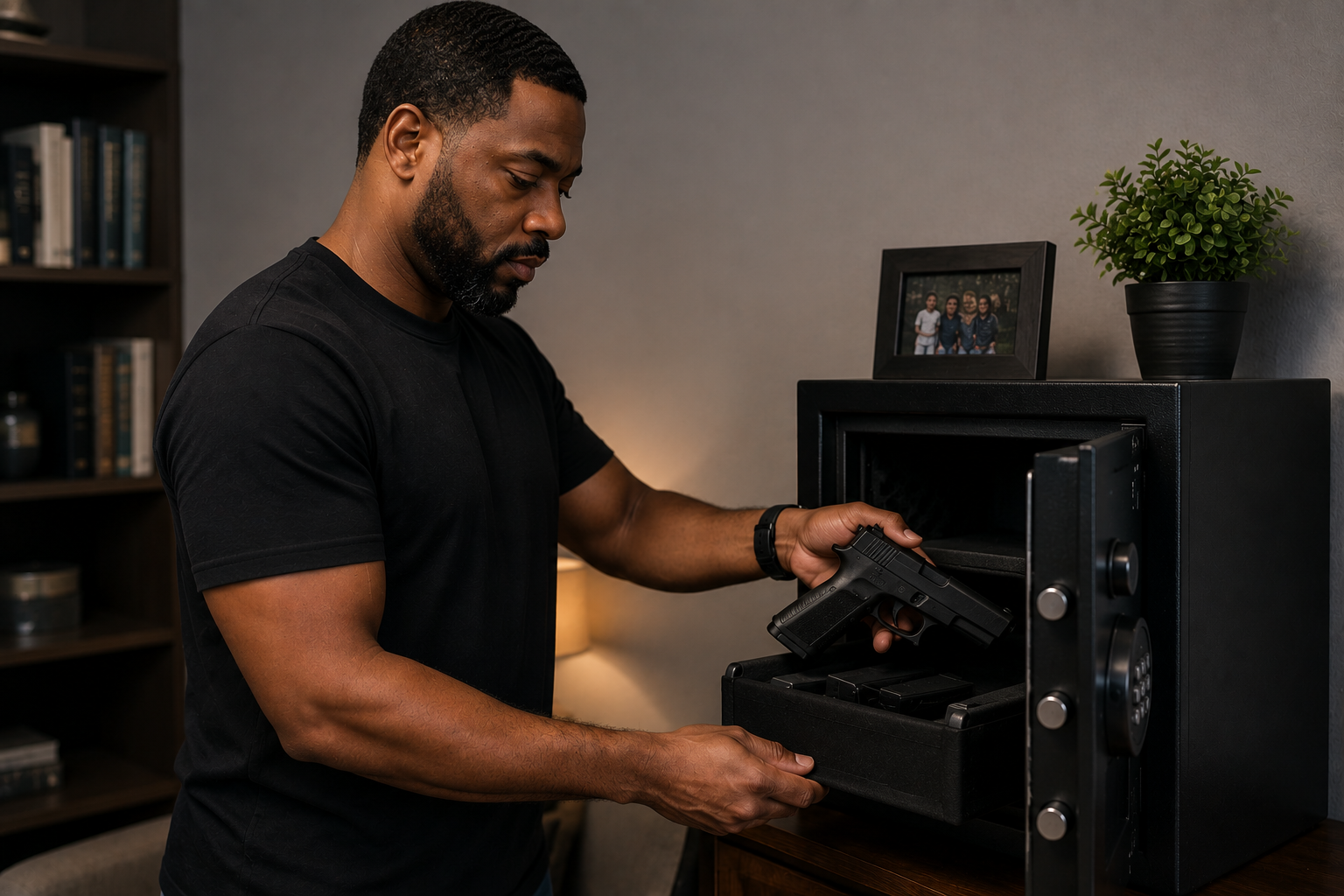
Responsible gun ownership carries responsibilities. Safe storage, proper training, understanding state laws, and promoting firearm safety are essential parts of exercising this right. Constitutional rights are strongest when paired with accountability and education.
The conversation about firearms in America should include all lawful voices—including Black gun owners whose perspectives are often underrepresented. The right to self-defense, like all constitutional rights, belongs equally to every citizen. The Black community is not defined by those who break the law. It is defined by the millions of individuals who work, build, lead, and protect their families every day. Their constitutional rights deserve the same respect afforded to every other American.
Beyond Ownership: Training, Education, and Community Responsibility
Gun ownership is not simply about possessing a firearm—it is about responsibility, education, and preparedness.
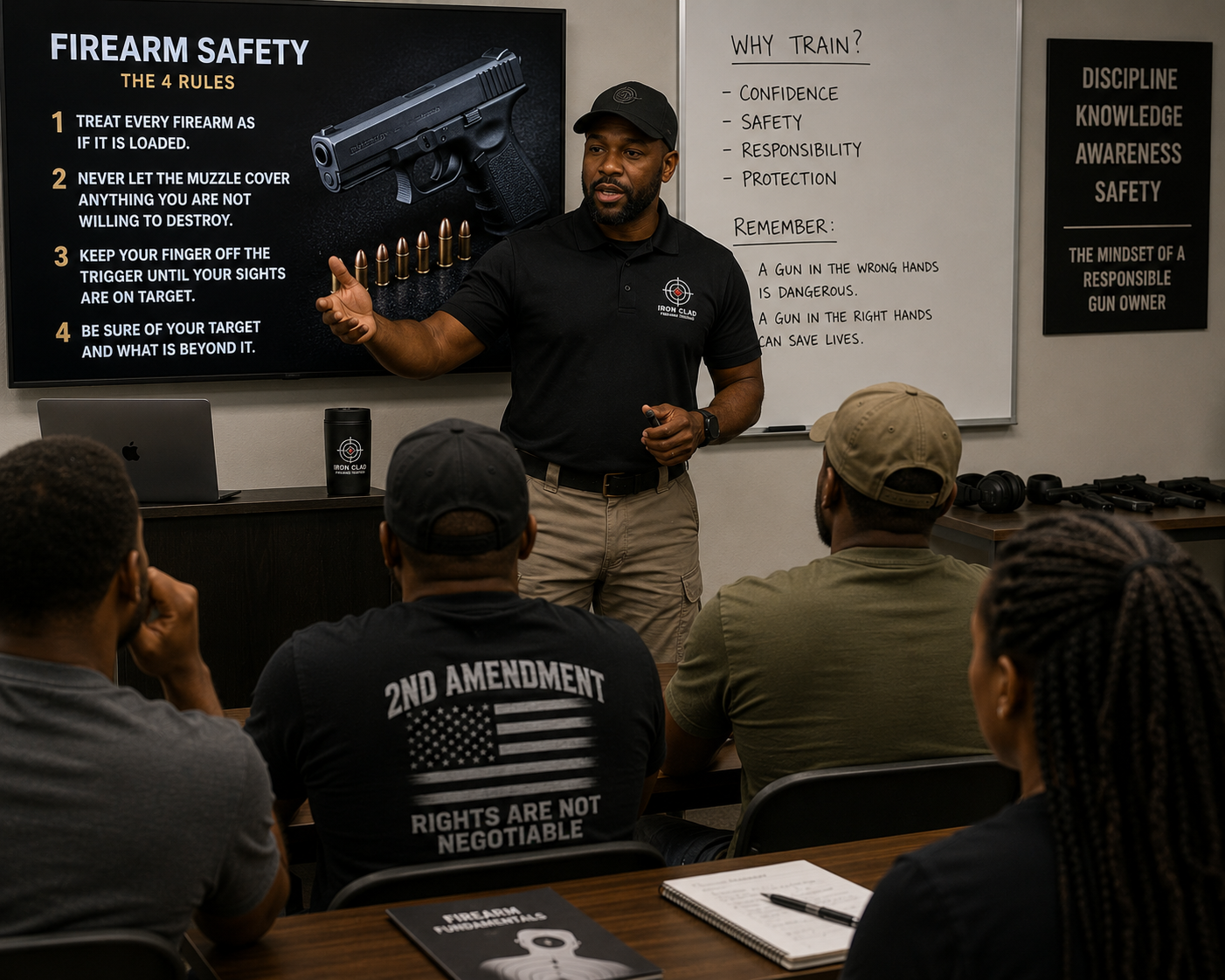
Across America, gun clubs and training organizations have long served as institutions of safety and civic engagement. They teach firearm safety, legal responsibilities, safe storage, marksmanship, and conflict de-escalation.
The Black community should not be discouraged from participating in these traditions. In fact, increased participation in lawful firearms education may strengthen communities by promoting safety, discipline, and responsible citizenship.
Owning a firearm without training is incomplete. Rights are strongest when paired with knowledge.
When Institutions Fail
History demonstrates that institutions are imperfect. Governments make mistakes. Police cannot be everywhere at once. These said institutions also include bad apples who have aggressively used the power of government to enact violence on the Black community.
There have been A multitude of moments in American history when Black citizens were denied equal protection under the law.
Recognizing these realities is not anti-police or anti-government. It is an acknowledgment of a basic truth: no institution can guarantee the safety of every citizen at every moment.
The right to self-defense exists precisely because individuals ultimately bear responsibility for protecting themselves and their families when danger arrives before help does.
This principle applies equally to all Americans, including Black Americans. The Constitution does not require citizens to surrender their right to self-preservation while waiting for institutions to respond. Rather, it recognizes that the ability to defend life and liberty is among the oldest and most fundamental of human rights.
Lessons From History
The history of Black gun ownership in America predates modern political debates. During the Civil Rights era, many Black communities practiced lawful armed self-defense when state institutions failed to provide equal protection.
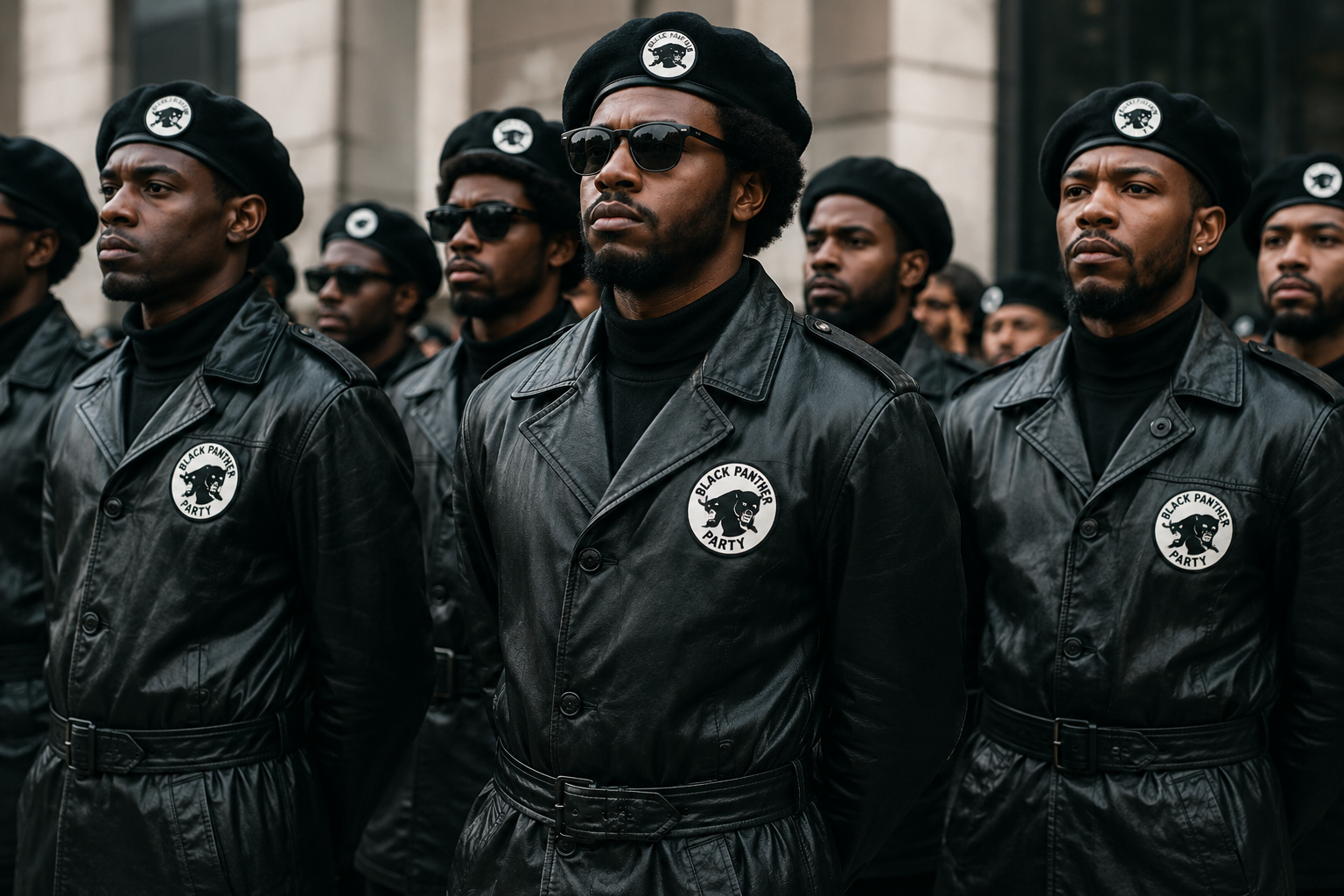
The Black Panther Party became one of the most visible examples of armed Black political activism, openly carrying firearms under the laws that existed at the time while advocating for community self-determination.
Their legacy remains debated. But their existence raises an important constitutional question: should the exercise of a right be viewed differently depending on who exercises it?
Constitutional rights are not truly equal if some citizens are encouraged to exercise them while others are discouraged from doing so.
The Problem With Statistics Alone
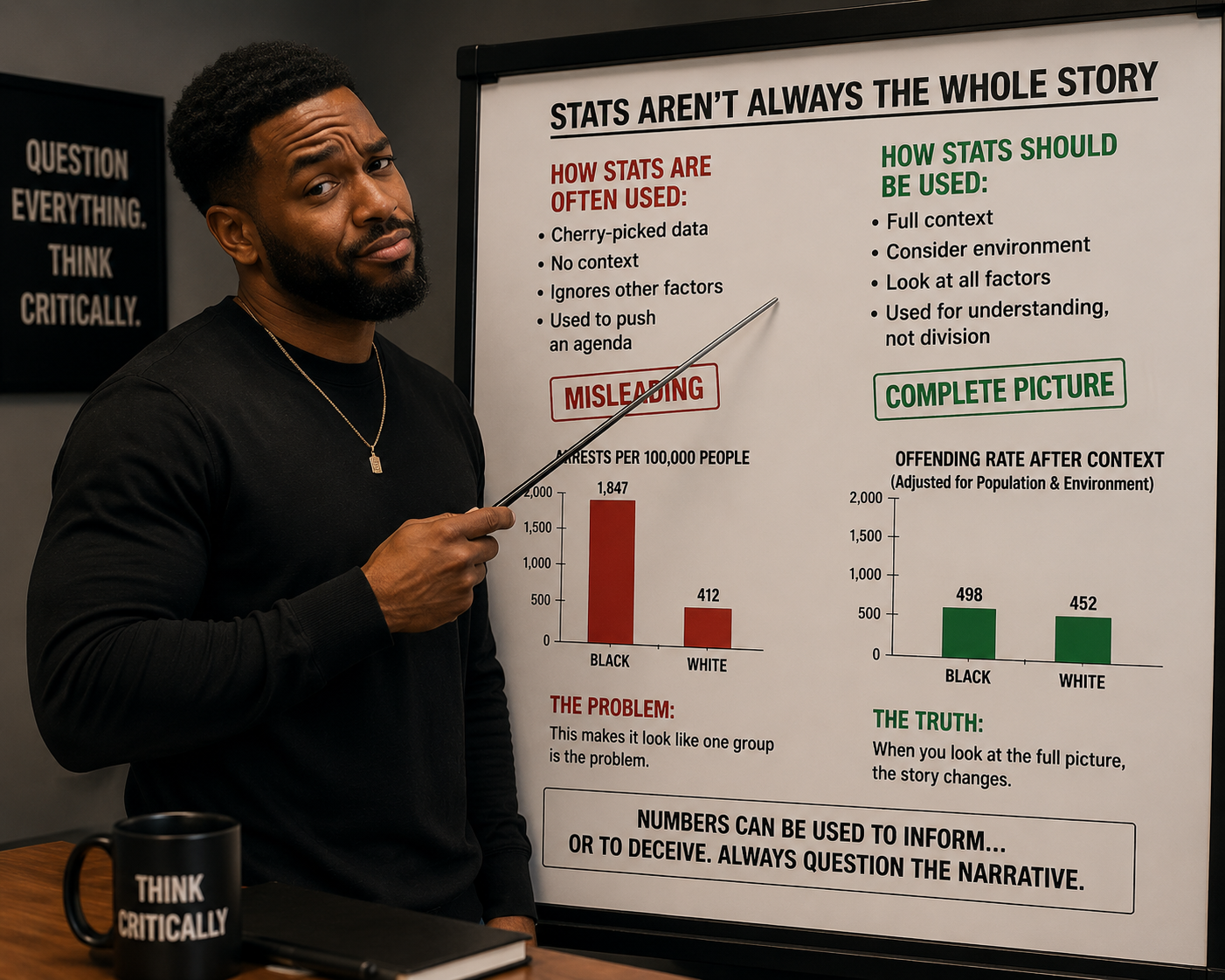
Crime statistics often dominate conversations about the Black community. Yet statistics without context can create misleading narratives.
Black Americans make up a disproportionate share of known exonerations in the United States. According to data from the National Registry of Exonerations, Black Americans account for more than half of all exonerations despite representing a much smaller percentage of the national population. Researchers have found that Black Americans are significantly more likely to be wrongfully convicted of serious crimes than White Americans.
This does not mean crime does not exist. It means that arrest numbers alone do not tell the full story.
A free society must be capable of holding two truths at once: communities can struggle with crime while also containing millions of law-abiding citizens whose constitutional rights deserve equal respect.
Black Americans should not be judged solely by crime statistics any more than any other community should be defined by the actions of its worst actors. The law-abiding citizen—not the criminal—is the true representative of the community.
A Growing Tradition of Black Gun Ownership
The idea that firearm ownership is foreign to the Black community is a misconception. Across the country, Black gun clubs, training organizations, and firearm education groups have grown in membership and visibility in recent years.
These organizations often emphasize the same values found in firearm communities nationwide: safety, training, legal education, self-discipline, and responsible ownership.
Their existence challenges outdated stereotypes that have long shaped public perceptions of who owns firearms and why. Lawful gun ownership in the Black community is neither new nor unusual—it is part of a broader American tradition of self-reliance and constitutional participation.
For many members, firearm ownership is not about politics. It is about preparedness. It is about ensuring that families are protected, rights are understood, and responsibilities are taken seriously.
The image of the armed citizen should not be defined by race or ideology. The exercise of constitutional rights belongs equally to all Americans.
Moving Beyond Culture Wars
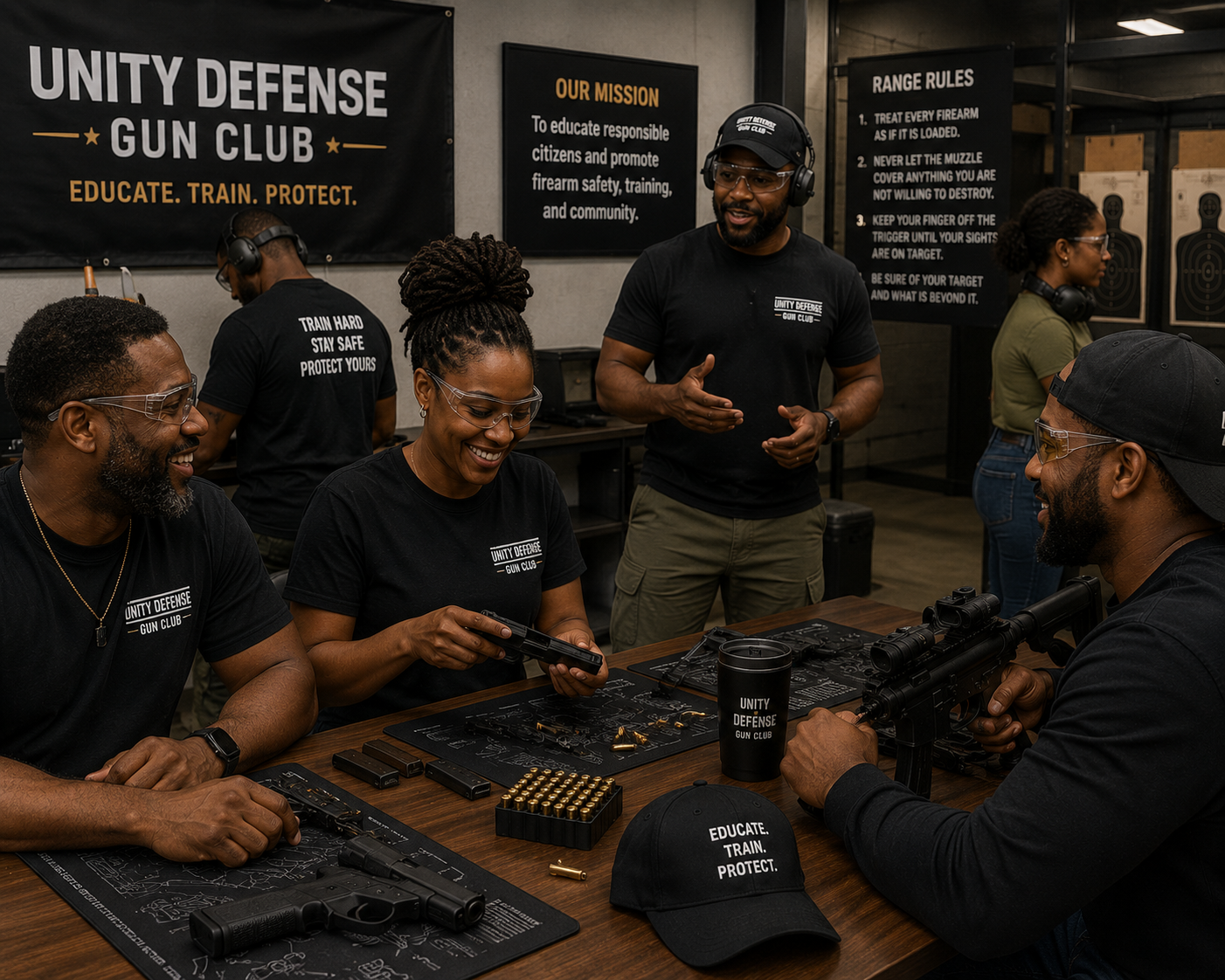
Discussions about firearms in America often become trapped in culture wars, where citizens are encouraged to choose sides rather than engage in thoughtful dialogue.
But the conversation in Black communities does not have to be framed as left versus right, urban versus rural, or political tribe versus political tribe.
A more constructive approach asks different questions:
- Are citizens informed about their constitutional rights?
- Do firearm owners understand the laws governing self-defense?
- Are families educated about safe storage and accident prevention?
- Are communities promoting training, discipline, and accountability?
An armed community without knowledge is vulnerable. But an armed and informed community is empowered.
The goal is not fear.
The goal is competence.
The goal is not division.
The goal is responsibility.
The goal is not conflict.
The goal is preparedness.
Responsible firearm ownership is not incompatible with civic engagement, respect for the law, or investment in community well-being. In fact, these principles often reinforce one another.
Moving beyond old stereotypes means recognizing that lawful Black gun owners are not anomalies or contradictions. They are citizens exercising rights that belong to them equally under the Constitution.
The future of the conversation may lie not in old narratives about race and firearms, but in a renewed focus on education, safety, responsibility, and equal citizenship under the law.
Conclusion
The conversation about firearms in Black America touches on constitutional rights, historical experience, public safety, and personal responsibility.
Like many issues in American life, it resists easy answers.
Whether one supports broader gun ownership or stronger regulation, the discussion benefits from careful attention to history, law, data, and the lived experiences of citizens across communities.