Has Drake Become Hip-Hop’s Most Successful Washed Artist?
Has Drake Become Hip-Hop’s Most Successful Washed Artist?
For years, the internet has claimed Drake fell off. The numbers tell a different story.
There may be no artist in hip-hop history who has been called “washed” more successfully than Drake.
Depending on who you ask, Drake has been finished for years.
He’s too commercial.
He’s not the same rapper he was on Take Care.
His albums don’t hit the way they used to.
He’s chasing trends.
He’s lost touch with the culture.
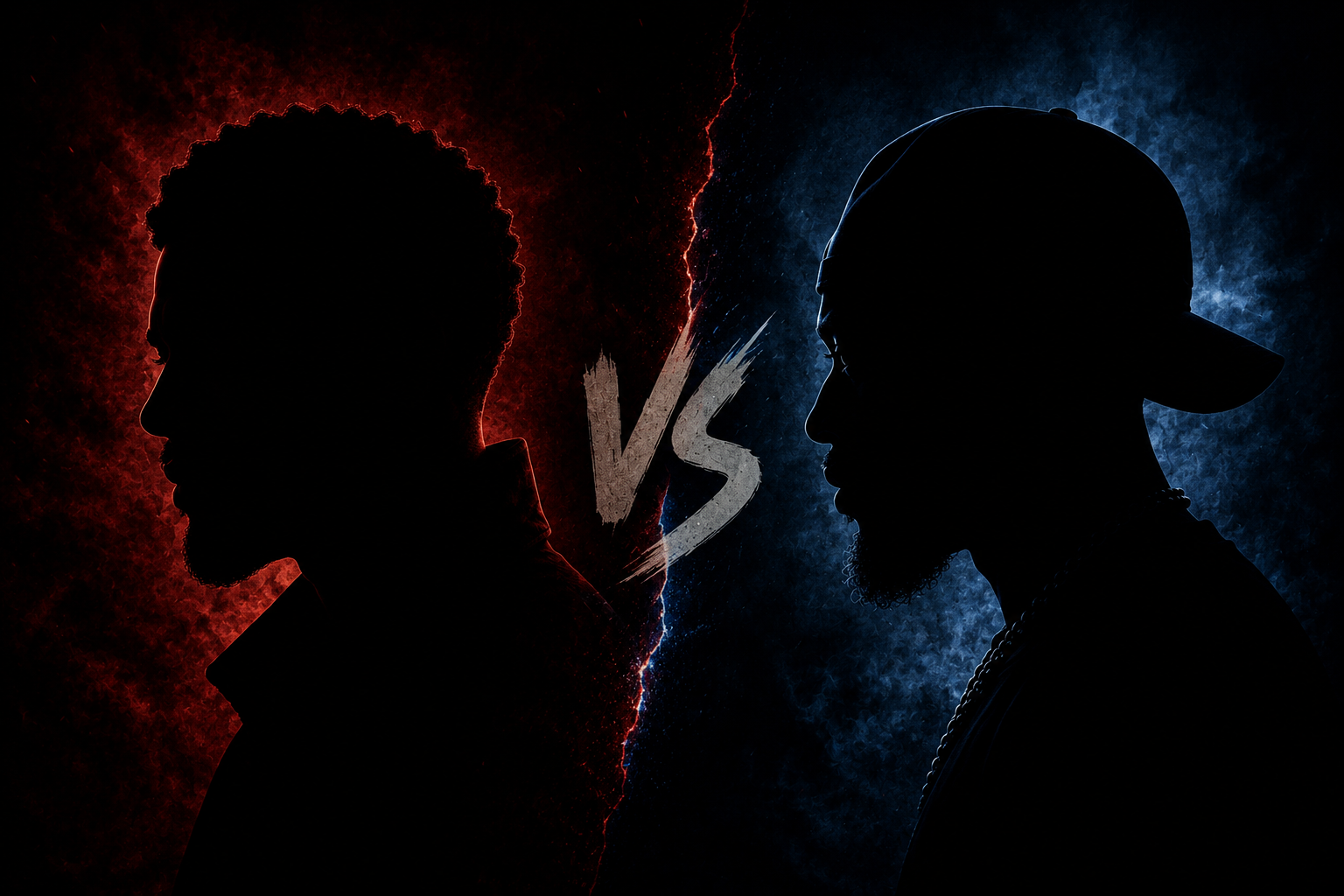
And after his highly publicized battle with Kendrick Lamar, many fans felt the conversation was finally over.
Kendrick won.
Drake lost.
Case closed.
At least that’s what social media would have you believe.
The problem is the numbers refuse to cooperate.
Despite years of criticism, Drake remains one of the most-streamed artists in the world. His catalog continues to generate billions of plays. His new releases still debut near the top of the charts. His music remains a permanent fixture in playlists, gyms, cars, clubs, and headphones across the globe.
Which raises a question that many hip-hop fans don’t seem comfortable answering:
Can an artist really be washed if millions of people are still listening?
The Kendrick Effect
Let’s start with the obvious.
Kendrick Lamar won the battle.
Whether you’re a Drake fan or not, it’s difficult to argue against the impact of “Not Like Us.” The song became more than a diss record. It became a cultural event.
It dominated social media.
It became an anthem.
It crossed over beyond hip-hop audiences.
For months, the internet was flooded with memes, debates, reaction videos, and victory laps declaring the end of Drake’s reign.
In the court of public opinion, Kendrick had the upper hand.
But public opinion and consumer behavior aren’t always the same thing.
That’s where this conversation gets interesting.
The Difference Between Culture and Consumption
Hip-hop fans often talk about culture as if it automatically translates into business.
Sometimes it does.
Sometimes it doesn’t.
History is full of artists who were respected but didn’t sell records.
History is also full of artists who were criticized endlessly while continuing to dominate commercially.
Drake has always existed somewhere in the middle of that argument.
For over a decade, critics have questioned his authenticity, his writing process, his musical direction, and his place in hip-hop.
For over a decade, listeners kept pressing play anyway.
That’s the part that frustrates both his biggest fans and his biggest critics.
No matter how many think pieces are written about Drake’s decline, his audience never seems to disappear.
What Does “Washed” Actually Mean?
The word gets thrown around so often that it has almost lost all meaning.
Does washed mean you’re no longer the hottest artist?
Does it mean you’re no longer innovating?
Does it mean your best work is behind you?
Or does it mean people have stopped caring?
Because those are very different things.
It’s entirely possible that Drake isn’t at his creative peak.
It’s entirely possible that some fans prefer the Drake of ten years ago.
It’s entirely possible that Kendrick currently holds more cultural momentum.
None of those things automatically mean Drake is washed.
If an artist is still generating massive streams, moving merchandise, selling tickets, and commanding attention every time they release music, what exactly are we measuring?
The quality of the music?
The respect of the culture?
Or the size of the audience?
Hip-Hop’s Moving Goalposts
Part of what makes the Drake conversation so fascinating is that the definition of success seems to change depending on who’s being discussed.
When streaming numbers favor an artist we like, they matter.
When streaming numbers favor an artist we don’t like, they suddenly become meaningless.
When an artist dominates charts, that’s success.
Until it’s an artist we think is overrated.
Then charts don’t matter.
Then streams don’t matter.
Then sales don’t matter.
The conversation becomes about vibes, perception, and online narratives.
That’s where Drake’s critics often find themselves in a difficult position.
The argument that he’s no longer culturally dominant is reasonable.
The argument that nobody cares anymore is much harder to make.
The evidence simply doesn’t support it.
The Bigger Question
Maybe Drake isn’t the untouchable force he once was.
Maybe Kendrick exposed weaknesses that fans ignored for years.
Maybe the battle permanently changed how a portion of hip-hop views him.
Those are all fair arguments.
But if people are still listening, still streaming, still debating, and still showing up every time he drops music, can we honestly call that falling off?
Or has Drake become something even more unusual?
A superstar so successful that people have spent years calling him washed while continuing to help him remain one of the biggest artists in music.
Maybe that’s the real story.
Not whether Drake fell off.
But whether hip-hop has reached a point where losing the narrative is being confused with losing the audience.
What do you think?
Has Drake become hip-hop’s most successful washed artist, or is the internet simply mistaking a loss of cultural momentum for a loss of relevance?