If Local DJs Won’t Play Local Records, Then Who Will?
If Local DJs Won’t Play Local Records, Then Who Will?
Artists say local DJs don’t support local music, DJs say artists expect too much, and the culture keeps losing the ecosystem that once helped build stars.
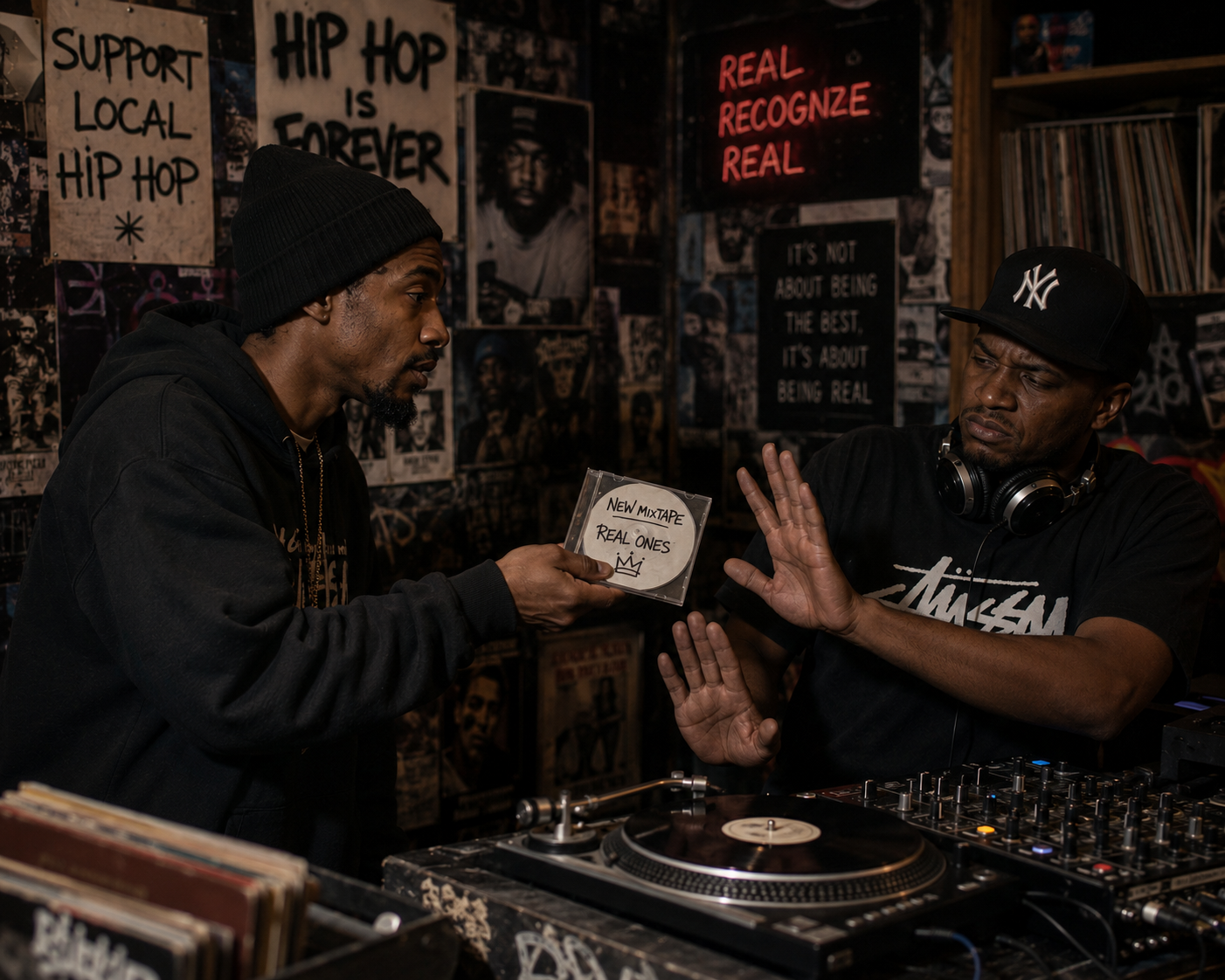
Every few months the same argument resurfaces.
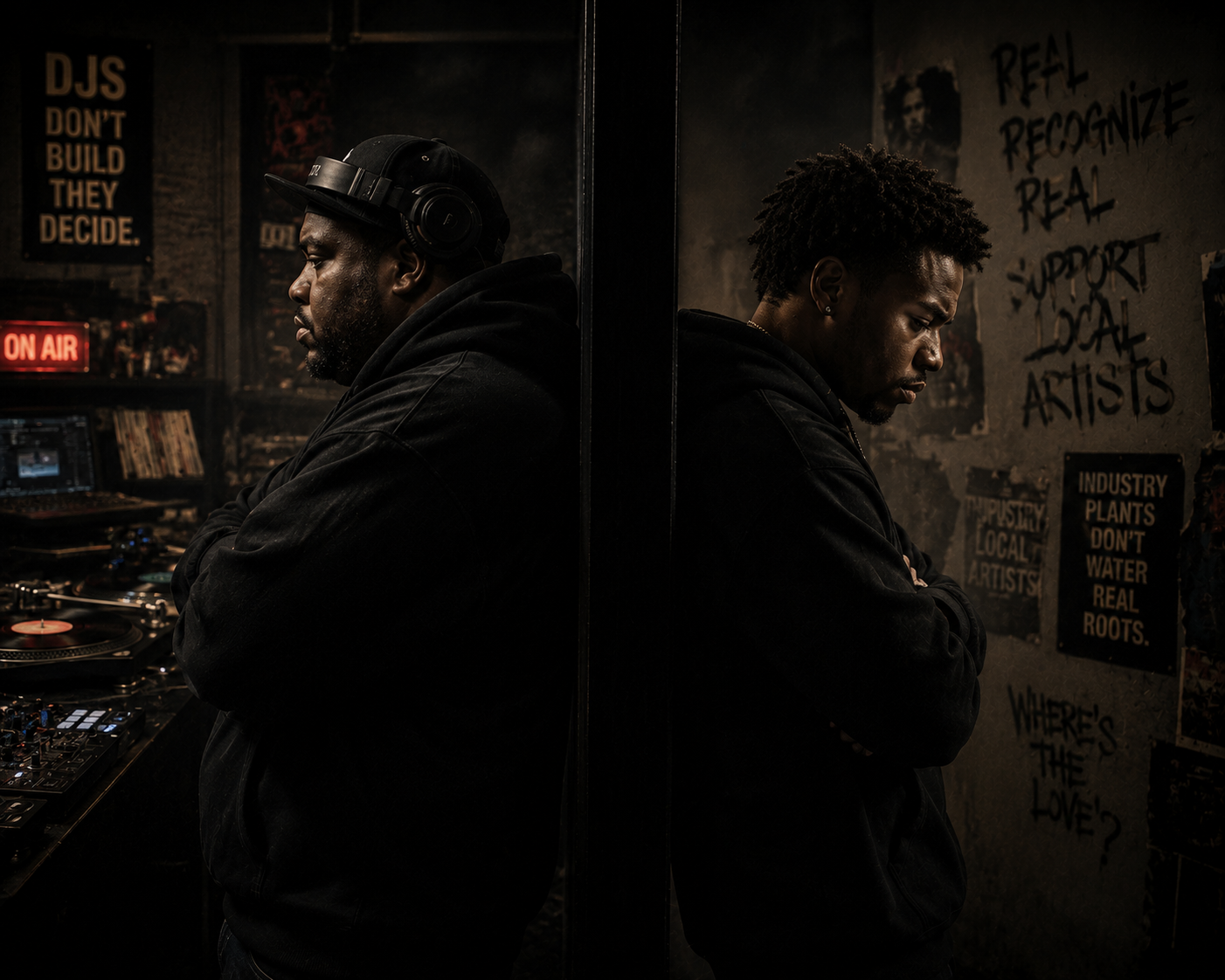
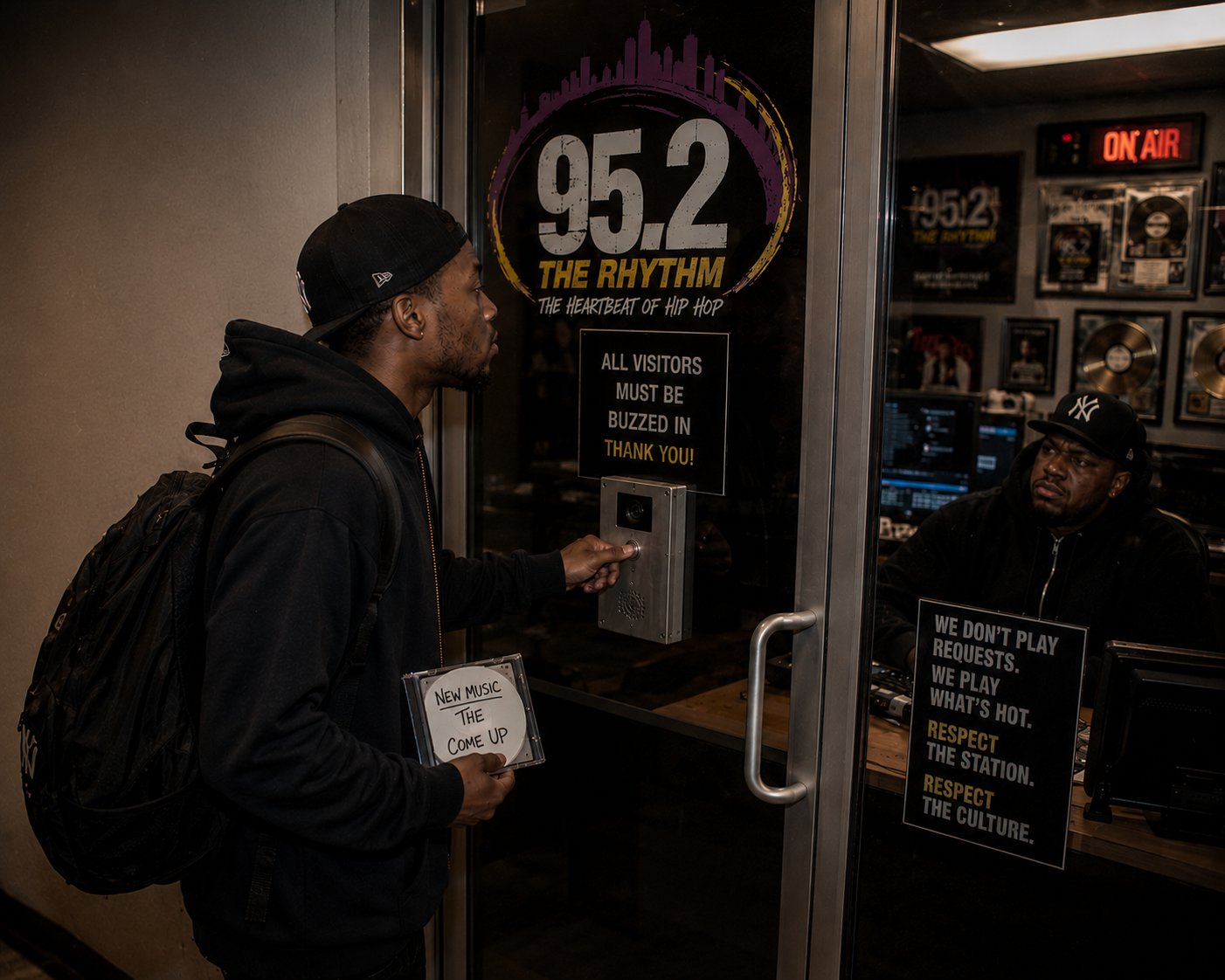
Artists complain that local DJs don’t support local music.
DJs respond that they don’t owe artists anything.
Artists accuse DJs of charging for spins.
DJs accuse artists of expecting handouts.
Then everyone goes back to their respective corners and nothing changes.
But maybe it’s time for an honest conversation.
Not about what artists are owed.
Not about what DJs are owed.
But about what happens when nobody feels responsible for building local culture anymore.
Let’s Get One Thing Straight
No DJ is obligated to play anybody’s music.
Let’s kill that argument right now.
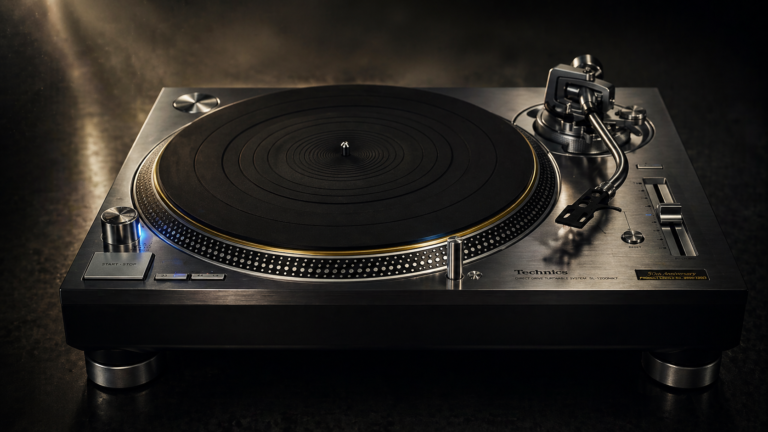
Owning turntables doesn’t make someone responsible for every rapper in town.
Most DJs receive more music than they could ever listen to. A lot of it isn’t club-ready. Some of it isn’t mixed properly. Some of it simply isn’t good.
Artists need to accept that reality.
Just because you recorded a song does not mean a DJ owes you a spin.
But let’s be equally honest.
No artist is asking a DJ to play every local record.
They’re asking whether local DJs are still connected to their local scene at all.
And that’s a completely different conversation.
What Happened To The Cultural Curator?
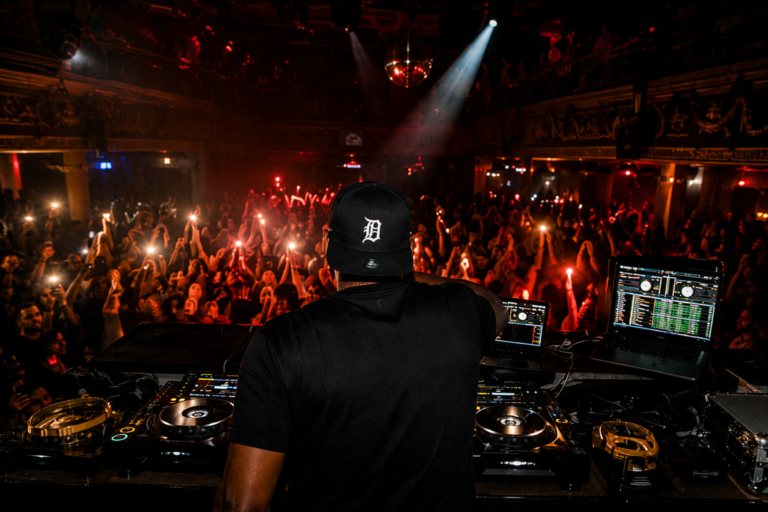
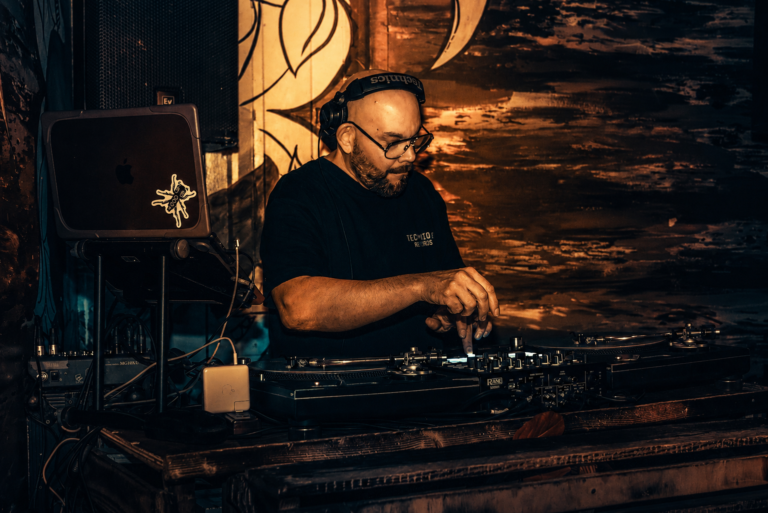
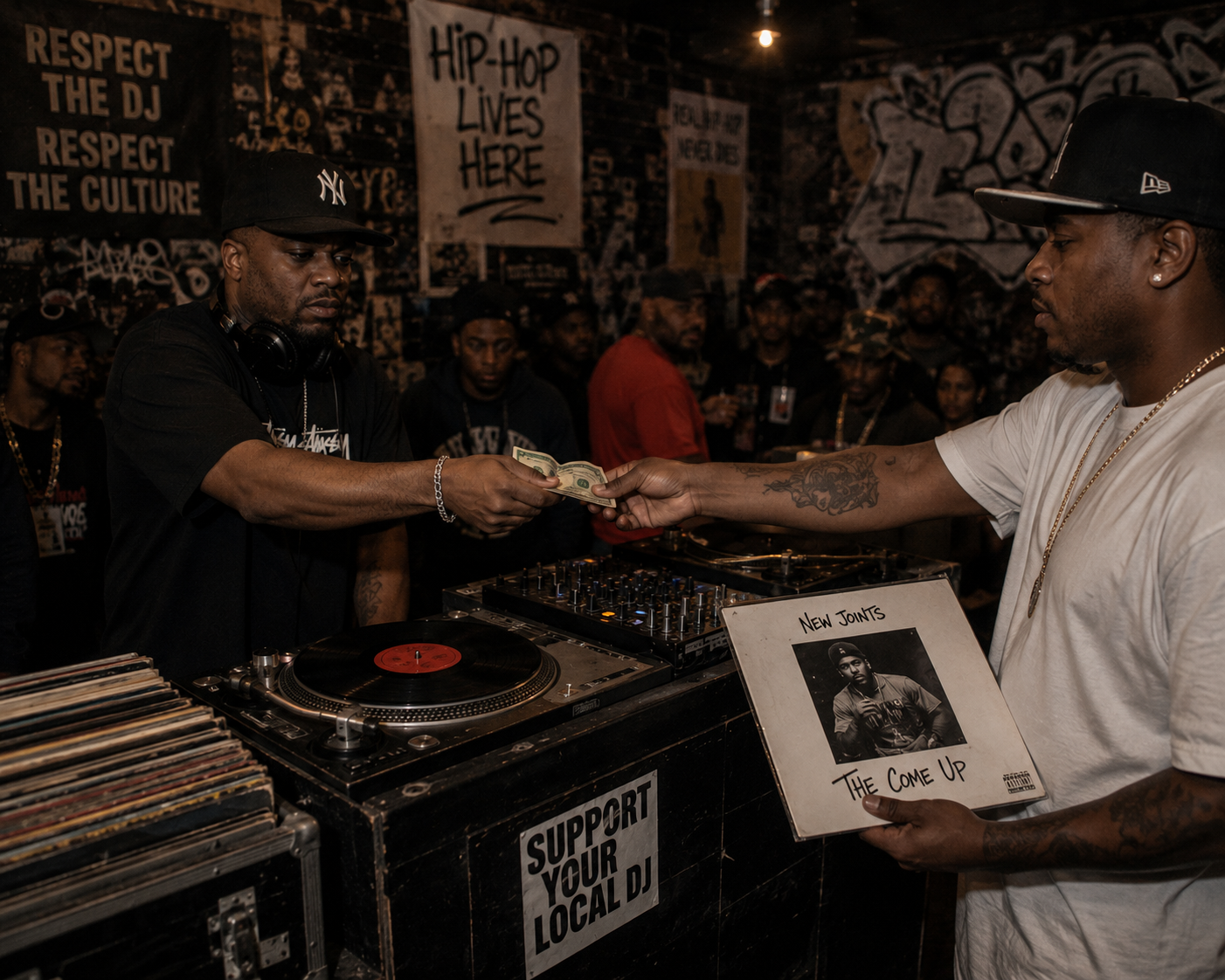
There was a time when DJs were more than music operators.
They were cultural curators.
They knew who was creating buzz.
They knew which artists were developing.
They knew who had potential before the rest of the world did.
The greatest DJs weren’t simply following trends.
They were helping create them.
Today, many artists feel that role has disappeared.
Some DJs have become experts at playing whatever is already popular while taking very little interest in what’s happening in their own backyard.
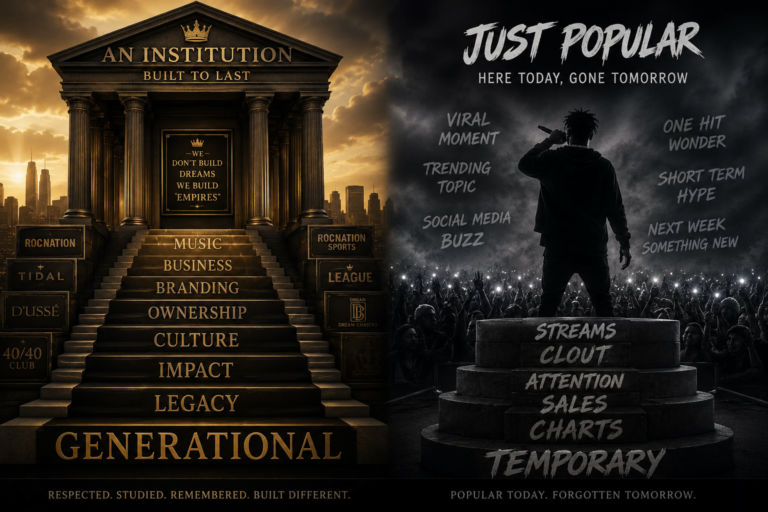
That may be good business. But let’s stop pretending it’s the same thing as building culture.
The “Come Back When You’re Buzzing” Era
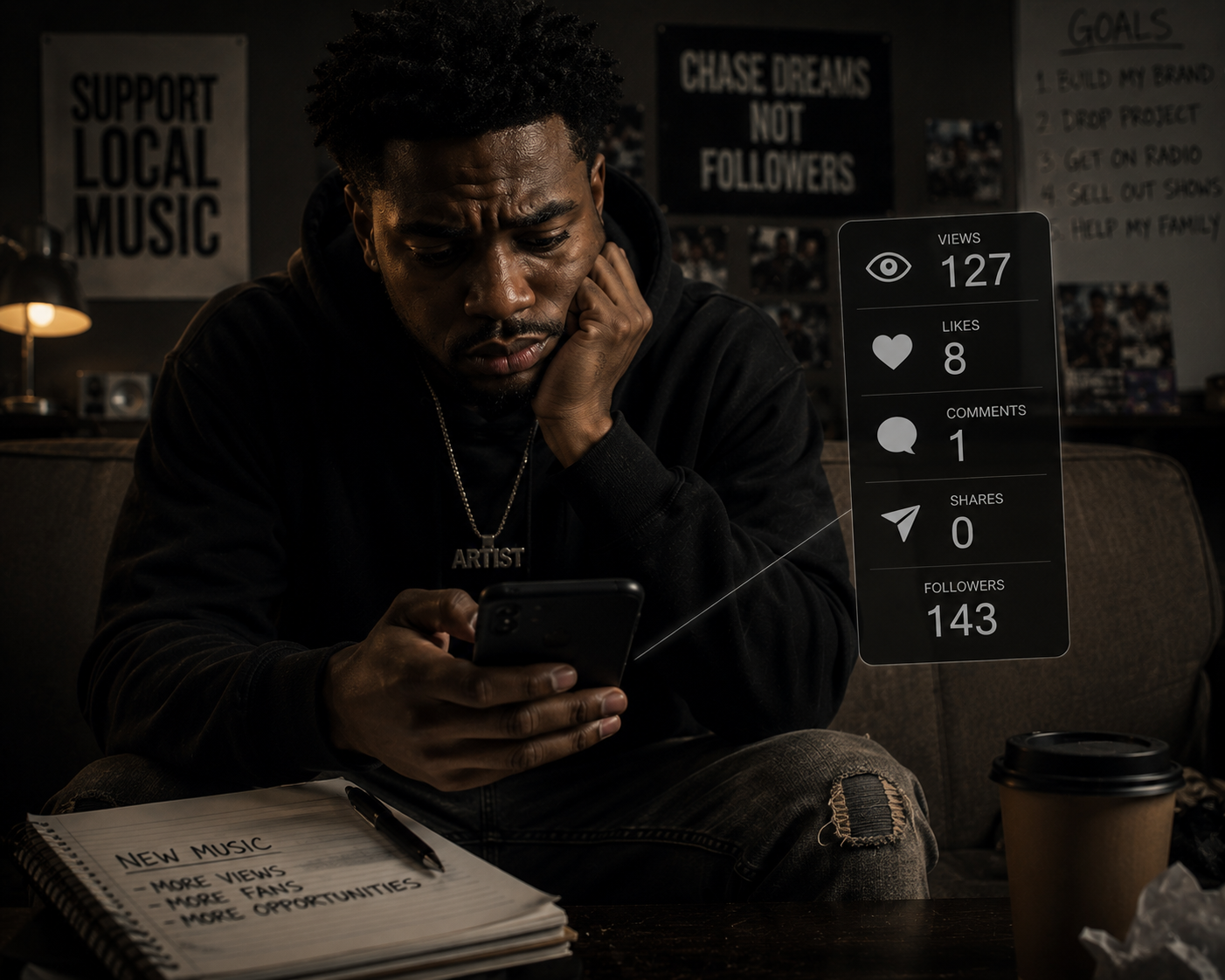
One of the biggest changes in modern music is that everybody wants proof before they’re willing to offer support.
DJs want numbers.
Promoters want numbers.
Blogs want numbers.
Venues want numbers.
Everybody wants evidence that an artist matters before they invest any attention.
The problem is obvious.
How does a local artist generate momentum if every part of the local ecosystem is waiting for somebody else to validate them first?
At some point somebody has to take the first chance.
Years ago, local scenes understood that.
Today, many scenes seem content waiting for social media to make the decision for them.
If DJs Aren’t Breaking Artists, Then Who Is?
This is where the conversation becomes uncomfortable.
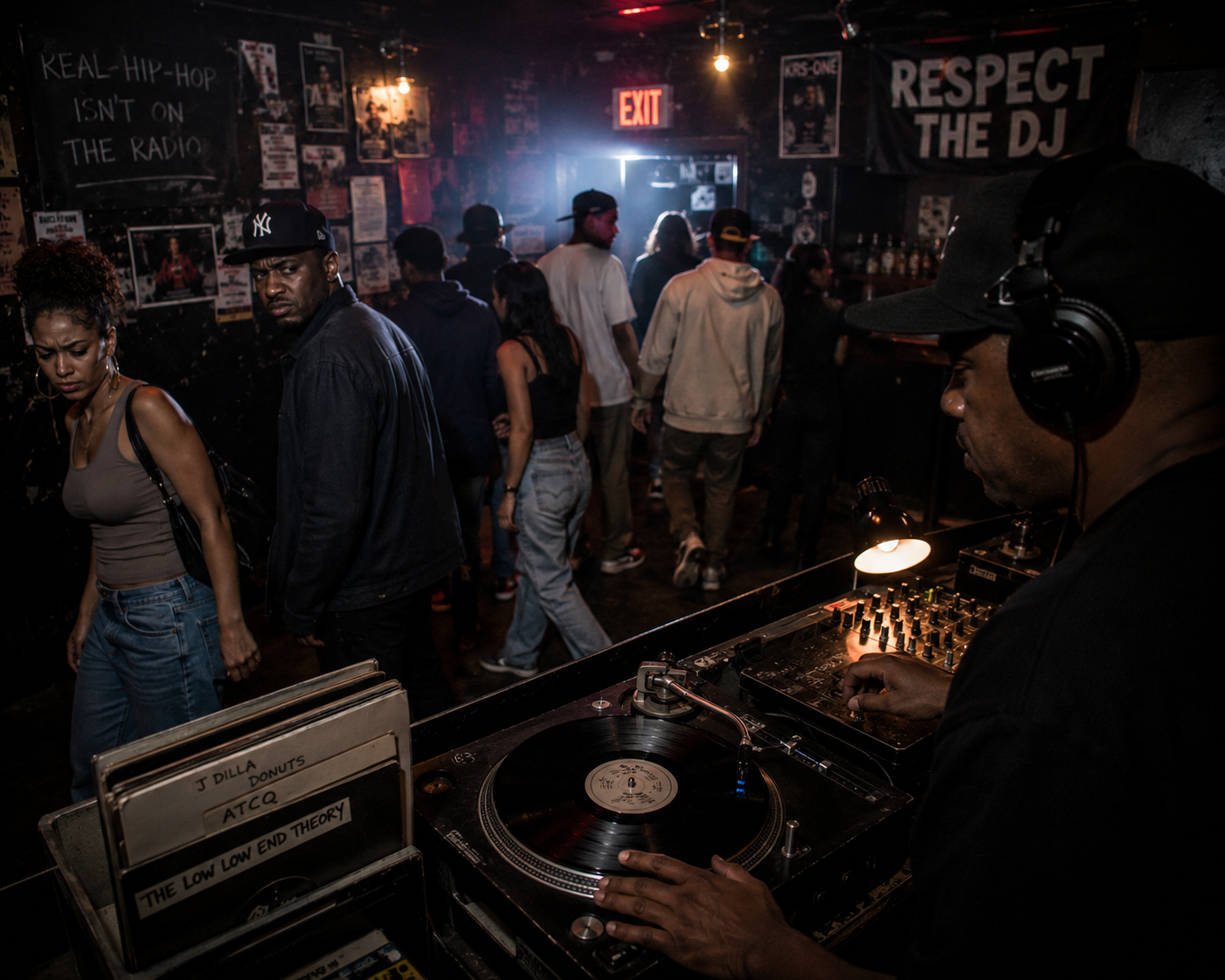
If local DJs aren’t introducing new artists…
If local radio isn’t introducing new artists…
If local promoters aren’t booking new artists…
If local media isn’t covering new artists…
Then who exactly is responsible for discovering talent?
TikTok?
Spotify?
Instagram?
Algorithms?
Because if algorithms are now serving as the primary talent scouts, then local music scenes have effectively outsourced their cultural development to technology.
And that’s a dangerous place to be.
Algorithms identify what’s already moving. They rarely identify what’s next.
Humans do that.
Or at least they used to.
Artists Need To Hear This Too
Before artists celebrate, there’s another side to this conversation.
Many artists demand support while offering very little support themselves.
They don’t attend local events.
They don’t support local DJs.
They don’t support local venues.
They don’t support local media.
They don’t support other artists.
Then they wonder why nobody supports them.
Culture isn’t built through transactions. It’s built through participation.
The artists who receive the most support are often the same artists who consistently show support to others.
That isn’t politics.
That’s community.
It Was Built By An Ecosystem
The biggest lie in modern music is the idea that successful scenes happen naturally.
They don’t.
Twenty years ago, local culture wasn’t built by one person. It was built by an ecosystem.
DJs.
Promoters.
Radio.
Venues.
Media.
Fans.
Artists.
Everybody played a role.
Everybody invested.
Everybody contributed.
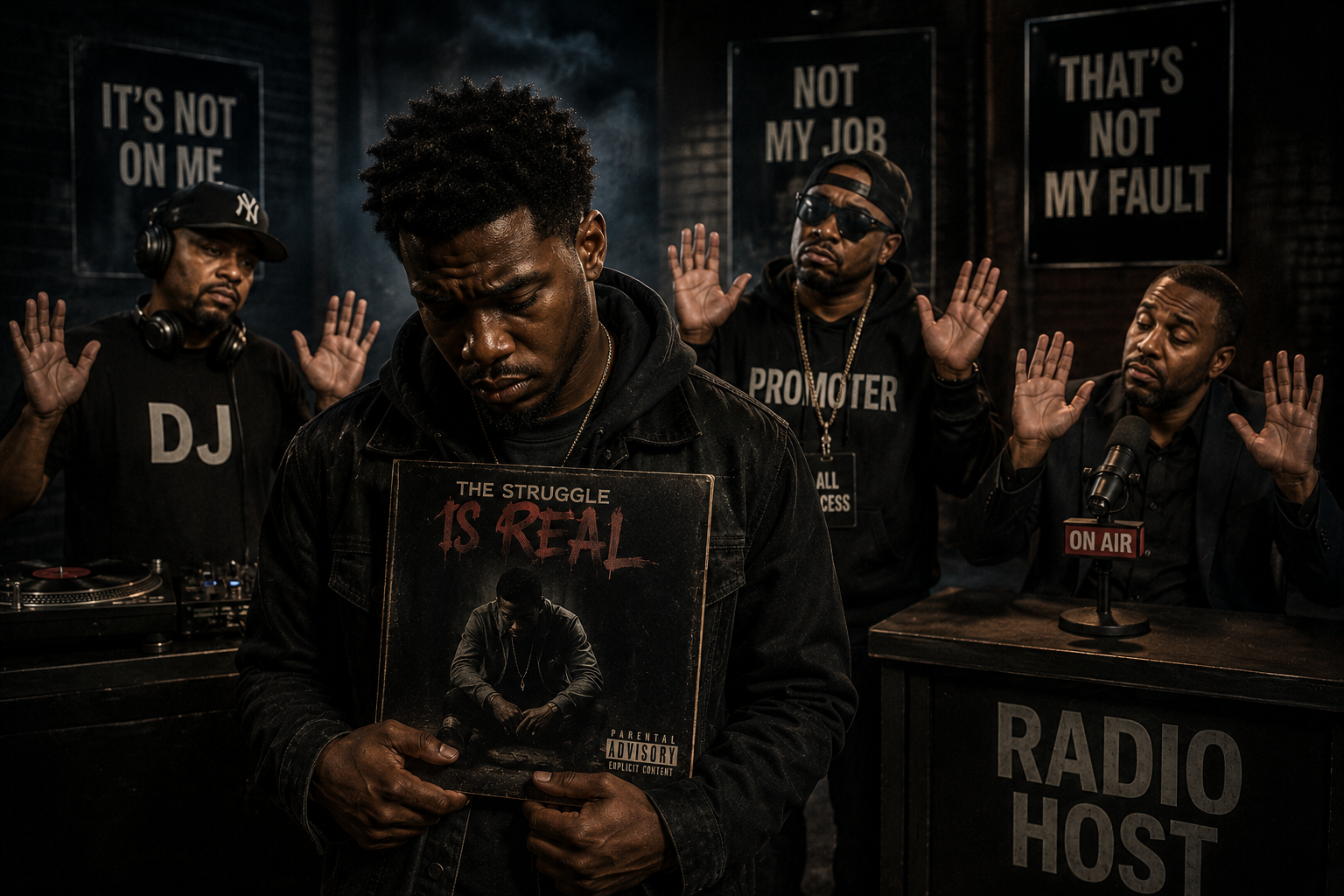
The moment everybody starts saying “that’s not my job” is the moment the ecosystem begins to collapse.
The Question Every City Should Ask
Here’s the question nobody wants to answer:
If your city’s next superstar emerged tomorrow, would your local music infrastructure recognize them before the internet did?
Would local DJs know who they are?
Would local promoters care?
Would local media tell their story?
Would local fans support them?
Or would everybody wait until another city, another platform, or an algorithm told them the artist mattered first?
Because if that’s the case, then the problem isn’t local DJs.
The problem is that the entire ecosystem has stopped investing in itself.
And when a city stops investing in its own culture, it doesn’t stop consuming culture. It simply starts importing someone else’s.
Final Thought
So let’s ask the question again:
If local DJs won’t play local records, then who will?
Because the answer cannot simply be “the internet.”
The internet can amplify culture.
But it cannot replace community.
DJs don’t owe every artist a spin.
Artists aren’t entitled to support simply because they released a song.
Those arguments are easy.
The harder conversation is whether local music scenes still have people willing to invest in the future before the numbers arrive.
Local scenes need DJs who listen.
Artists who participate.
Promoters who take chances.
Media outlets that document the movement.
Fans who show up before the rest of the world catches on.
Because culture has never been built by one person.
It was built by an ecosystem.
And ecosystems don’t collapse because one group fails.
They collapse when everybody decides that responsibility belongs to somebody else.
That’s why this debate isn’t really about DJs.
It’s about whether cities still believe in developing their own culture.
Because by the time an algorithm tells you who matters, your city may already be too late.
One Final Question
If your city’s next superstar emerged tomorrow, would your local music infrastructure recognize them before the internet did?
Think carefully before answering.
Your answer may reveal more about the health of your local music scene than any streaming numbers ever could.