The Difference Between a Playlist and a Real DJ
The Difference Between a Playlist and a Real DJ
Anybody can press play.
That doesn’t make them a DJ.
In today’s world, music is more accessible than it has ever been. Millions of songs live inside our phones. Streaming platforms recommend records instantly. Curated playlists soundtrack workouts, restaurants, stores, house parties, and even nightlife venues.
But playlists and DJs are not the same thing.
One organizes music.
The other controls emotion.
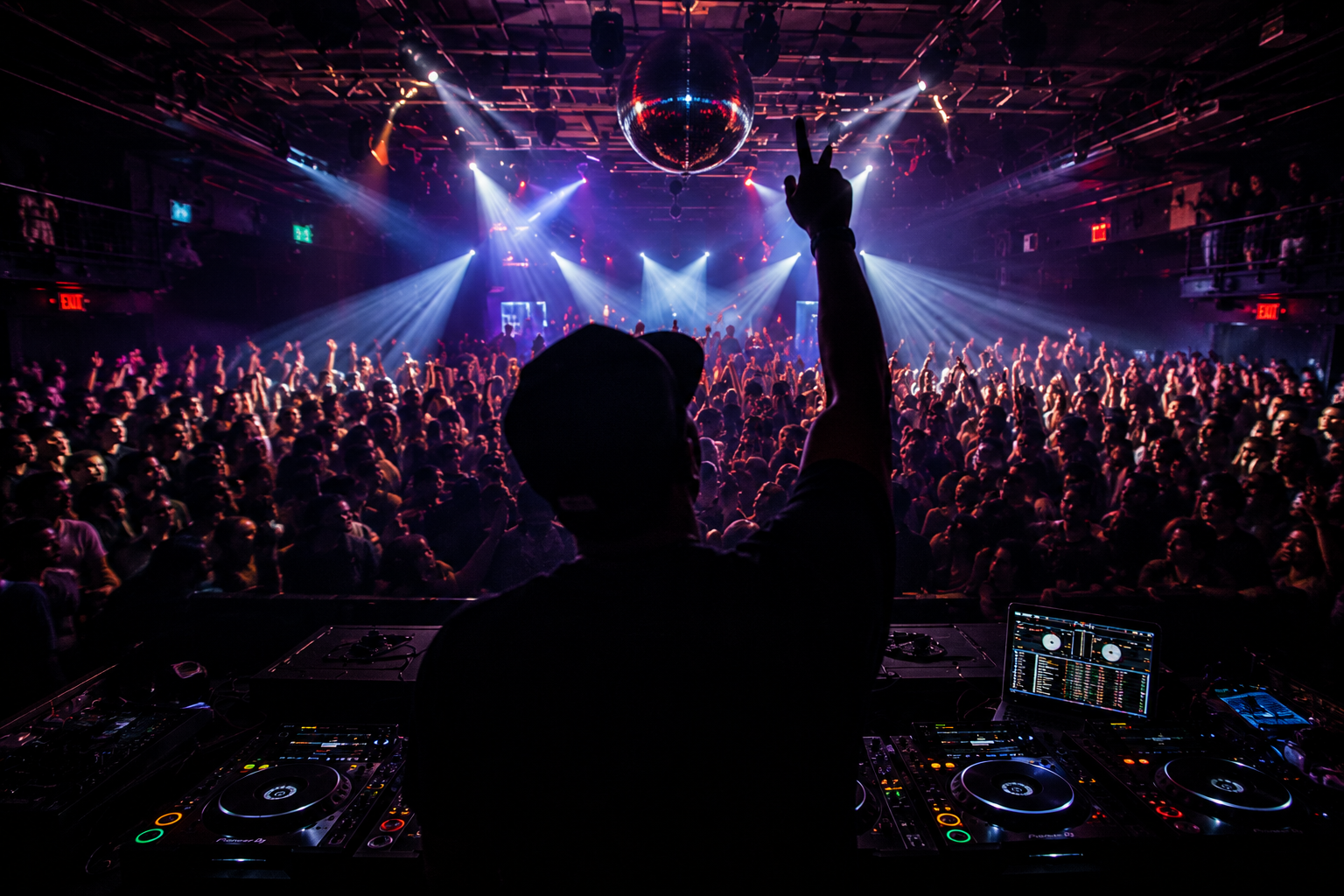
That difference matters more than people realize.
Music Everywhere, Energy Nowhere
There was a time when the DJ was the identity of the room.
People followed DJs the same way they followed artists. Certain DJs controlled certain nights, certain neighborhoods, and certain sounds. They introduced people to records before radio touched them. Before algorithms existed, DJs were the algorithm.
Now, a lot of venues just want safe vibes.
Not every lounge, bar, or nightlife spot is looking for a DJ to create moments anymore. Some only want background music that keeps the atmosphere predictable. In some spaces, real crowd control has quietly been replaced by pre-made sets, auto-mixed software, or playlist-style programming.
The music is technically there.
But the experience feels flatter.
Because there’s a difference between hearing songs and feeling energy.
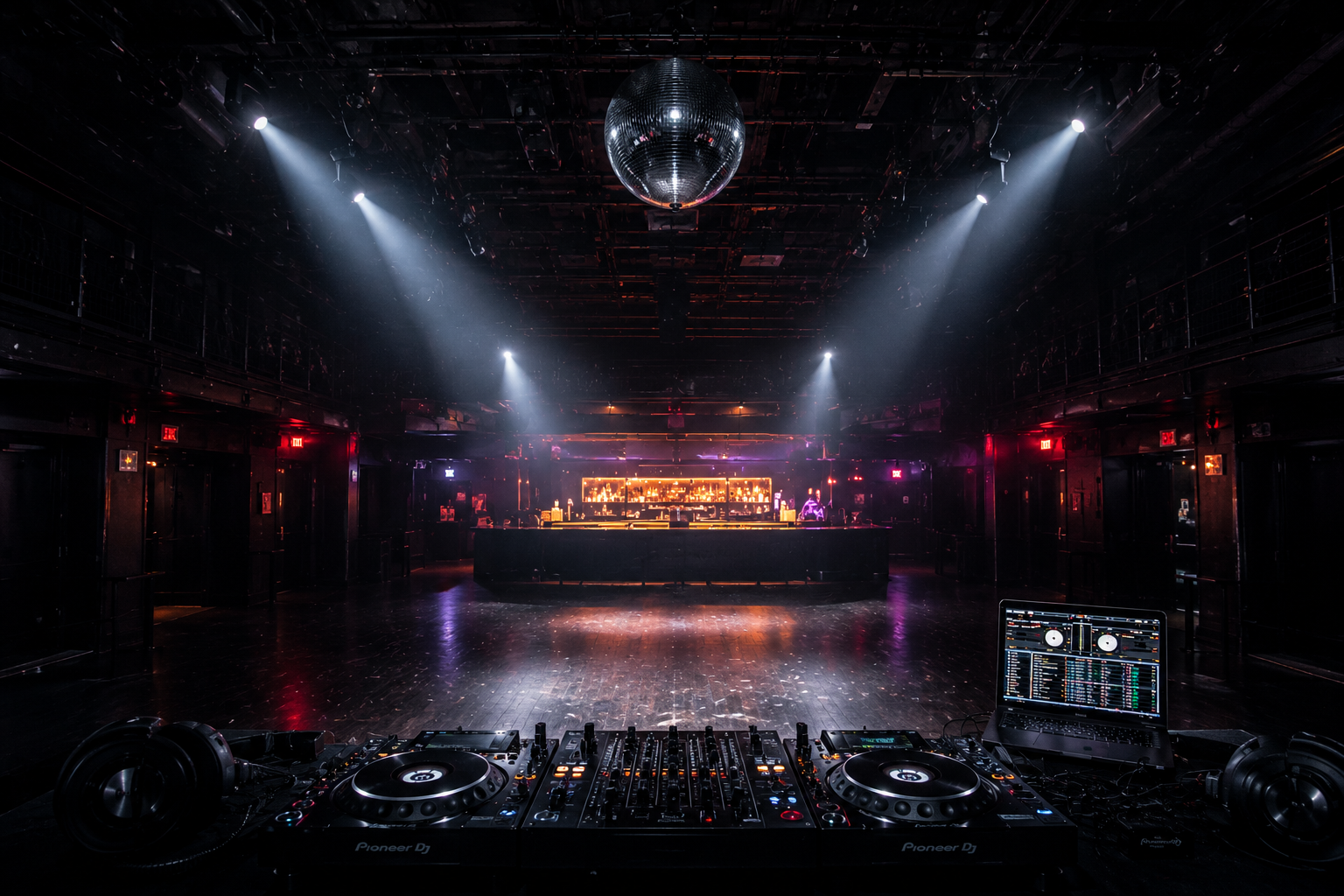
A Playlist Can’t Read The Room
That’s where the real separation begins.
A playlist doesn’t know when the crowd is losing interest.
It doesn’t notice when the women walk in. It doesn’t recognize tension building near the bar. It doesn’t feel momentum changing after a slow run of songs.
A real DJ does.
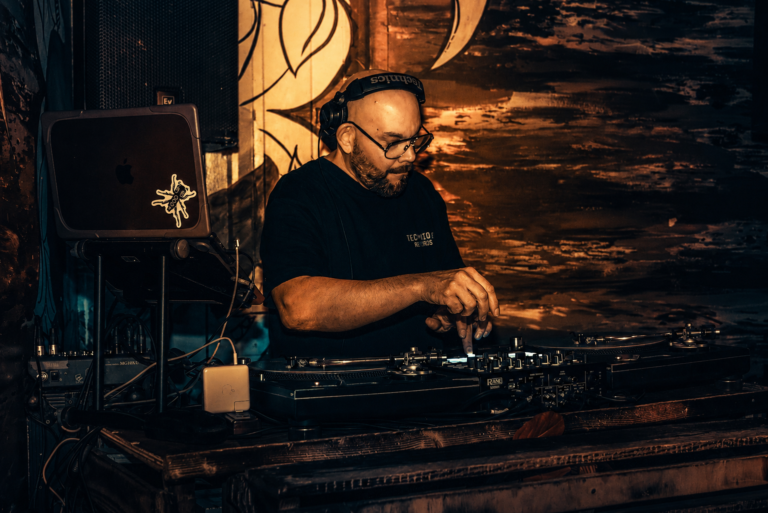
A DJ can speed the room up. Slow it down. Switch eras instantly. Cut a song early. Loop the hottest part longer. Throw on something unexpected and completely change the temperature of the night.
That instinct cannot be automated.
The best DJs are reading body language as much as they are reading BPMs.
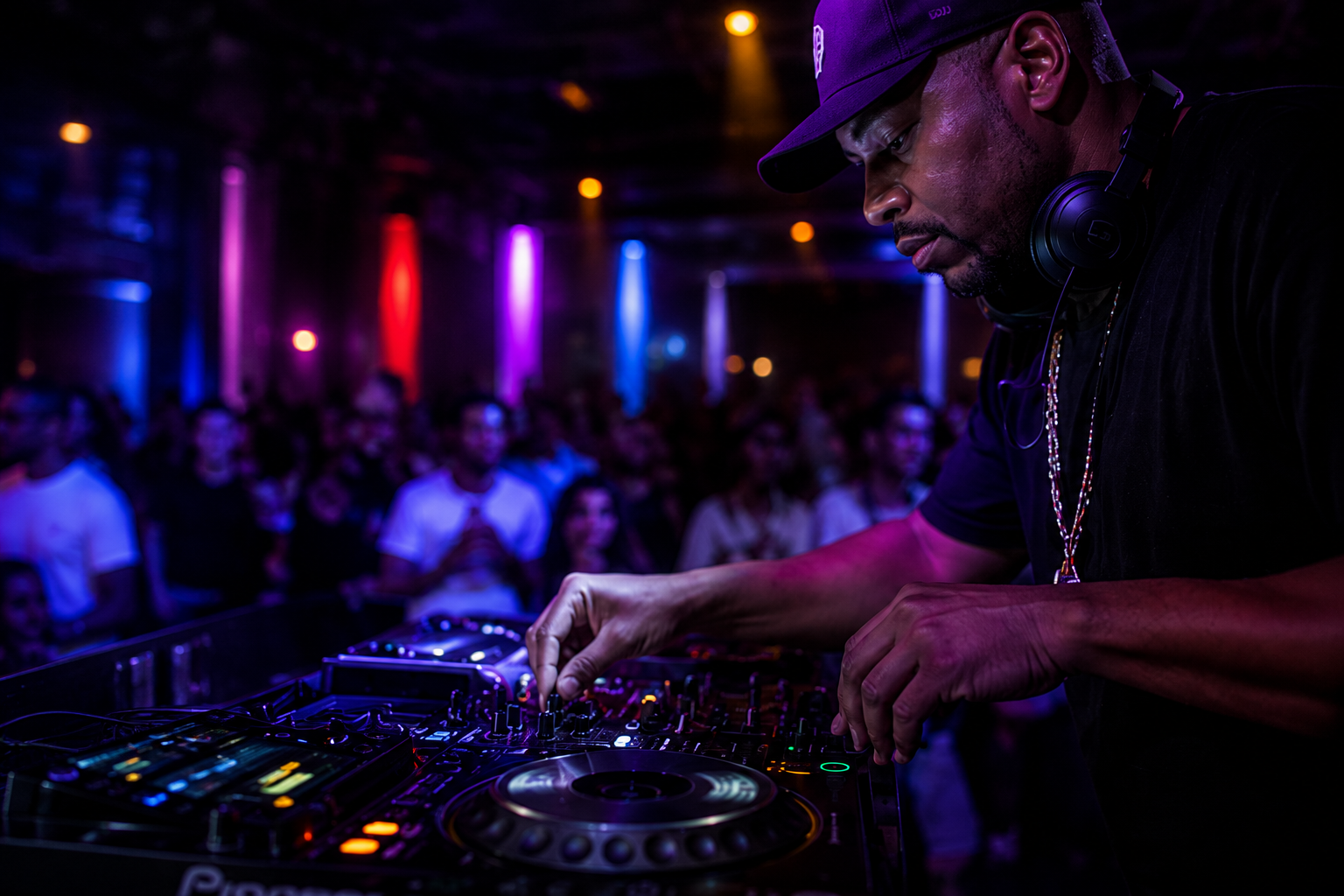
Real DJs Create Moments
Anybody can play good songs.
Timing is what separates DJs from playlists.
A real DJ understands anticipation. They understand patience. They understand surprise.
Sometimes the crowd reaction comes from the song itself. Sometimes it comes from when the song was played.
That’s the art form people overlook.
The right transition at the right moment can turn a regular record into a memory.
That’s why people still talk about legendary parties years later. Not because of the playlist. Because of the feeling.
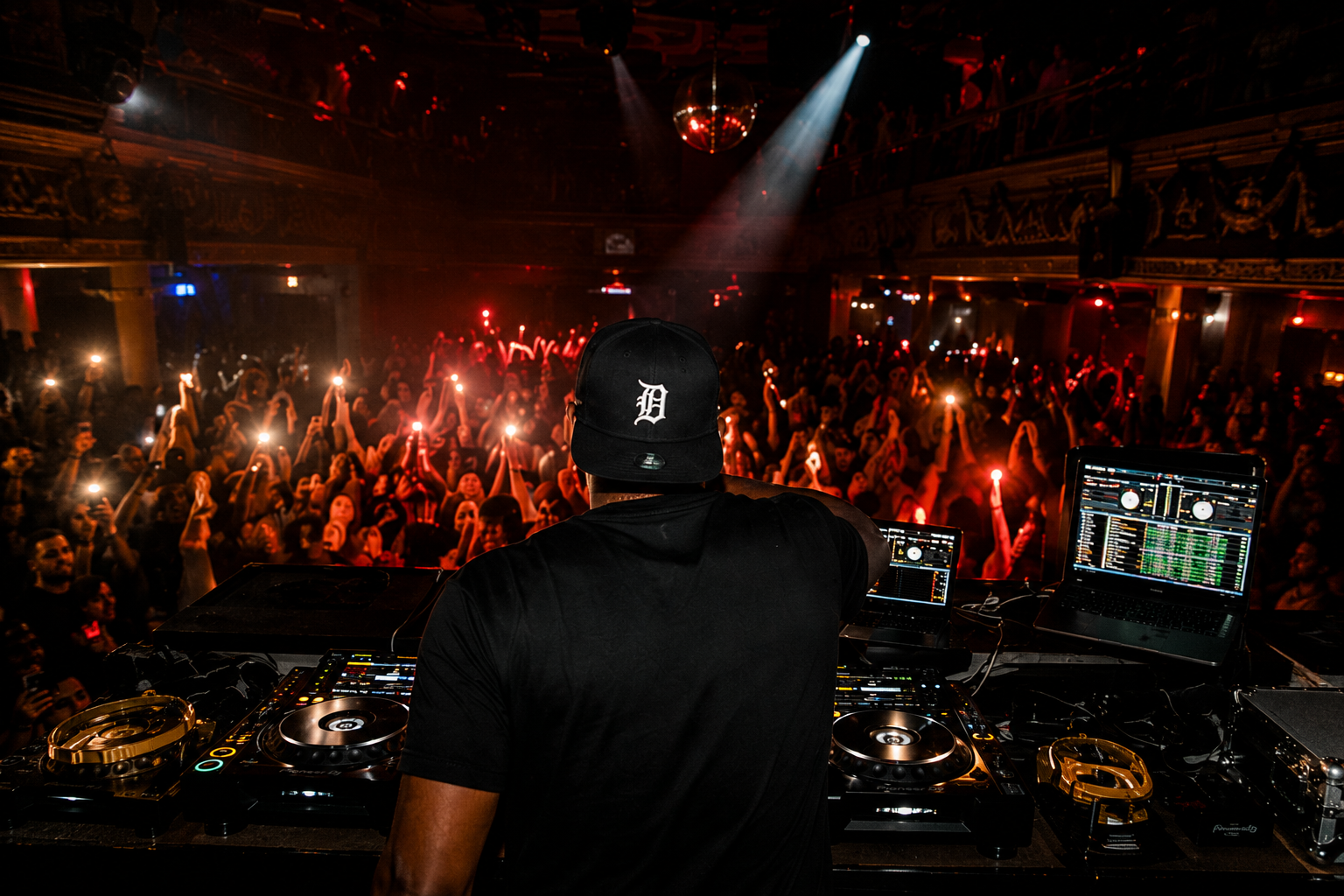
Algorithms Don’t Understand Culture
Technology made music faster. It did not make it deeper.
Algorithms are built around engagement. DJs are built around perspective.
A streaming service might push whatever record already has momentum. A real DJ might introduce a song nobody in the room knew they needed yet.
Historically, DJs broke records before corporations paid attention. They moved regional music across city lines. They helped create scenes. They built nightlife identity.
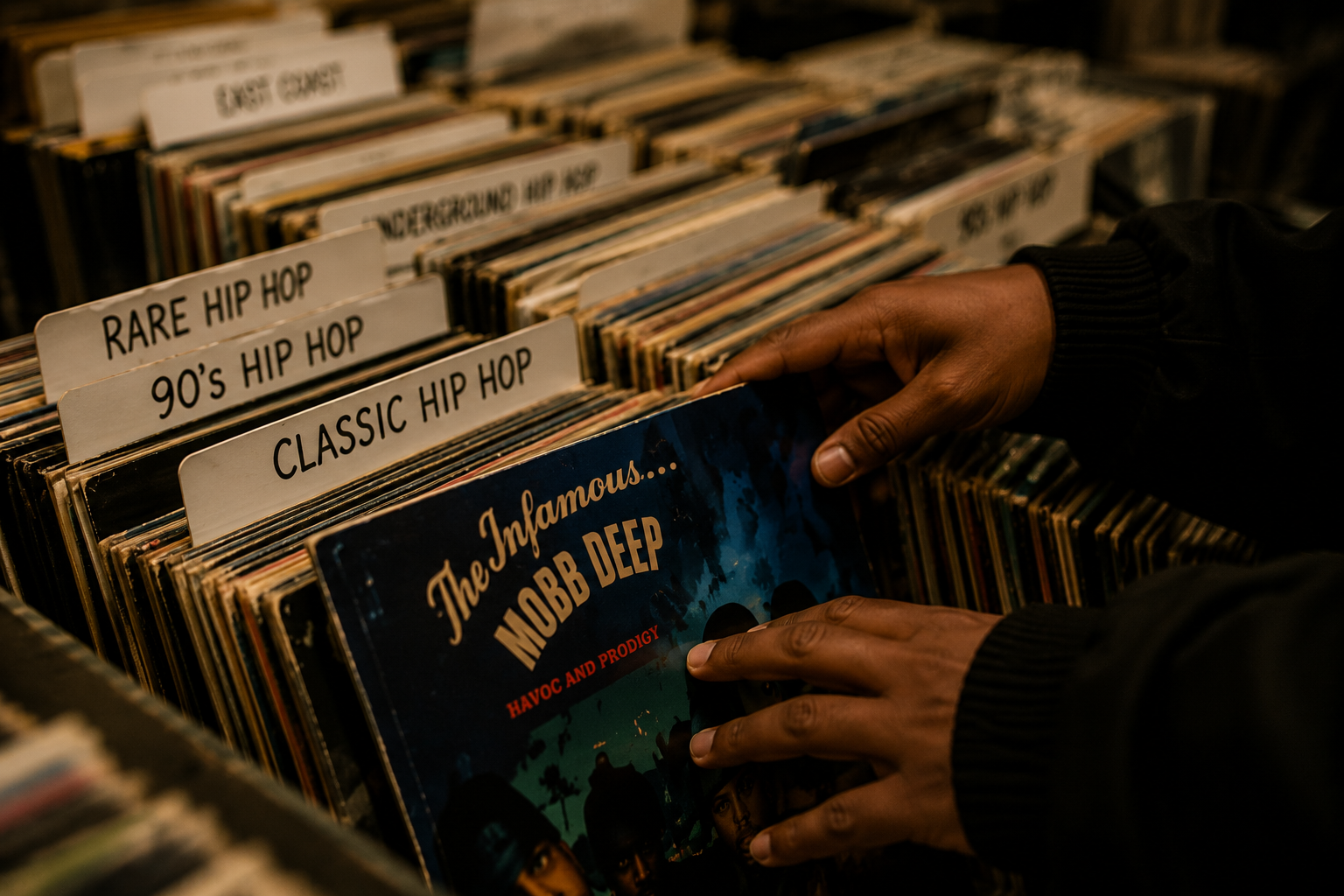
Some of the biggest records in hip-hop history started in clubs, mixtapes, and local DJ circuits long before playlists made them visible to the mainstream.
That human connection still matters.
Especially in a time where everything feels increasingly programmed.
The Human Element
The truth is, playlists serve a purpose.
They’re convenient. They’re easy. They help people discover music.
But convenience and experience are not the same thing.
A playlist can maintain noise.
A real DJ controls atmosphere.
That’s why the best nights still feel different when the right DJ is in control of the room. There’s personality involved. Risk involved. Instinct involved.
A real DJ is reacting in real time.
That human element is something technology still hasn’t figured out how to replace.
Final Take
Technology changed how people consume music.
But it never replaced the human instinct of knowing what a room needs.
That’s why DJs still matter.
Not because they can press play.
But because they know what to play next.