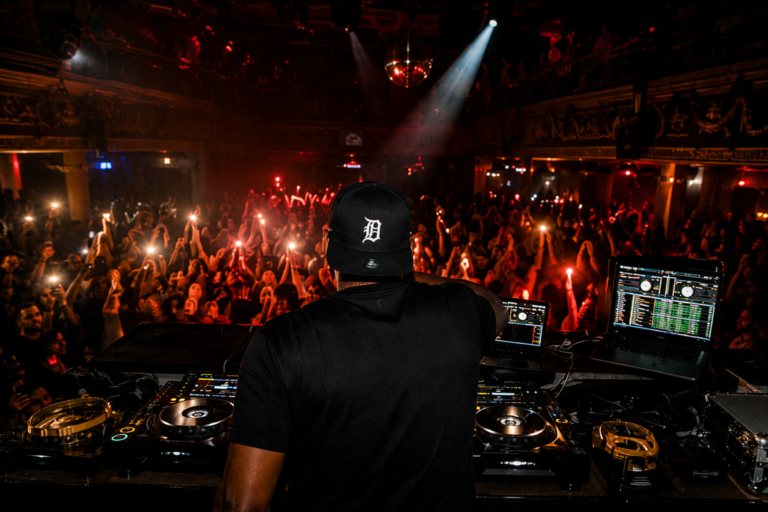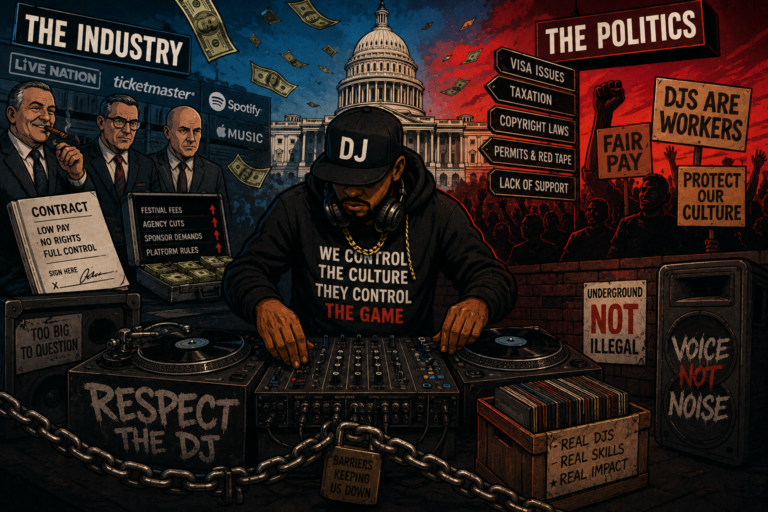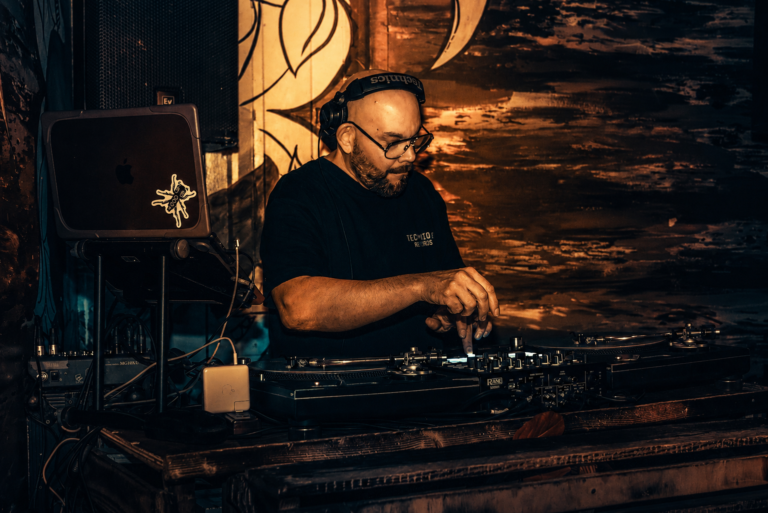
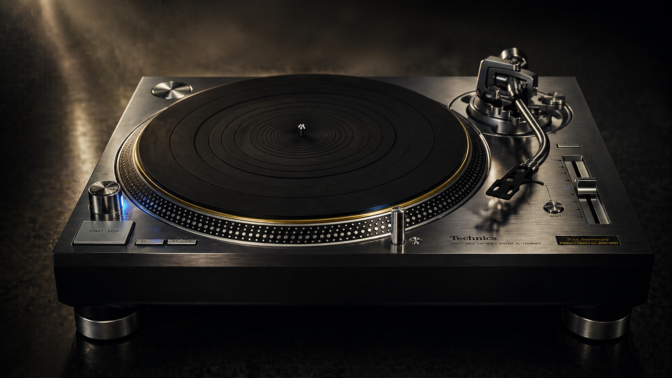
The Technics 1200 “The machine that helped build a culture”
Music Culture
The Technics 1200 Turntable and Its History With Hip-Hop
Some devices are products.
Some become symbols.
The Technics SL-1200 turntable became something bigger than audio equipment. It became a tool of invention, a badge of credibility, and one of the most important machines in the history of hip-hop.
Before streaming playlists, before controllers, before laptops in DJ booths, there was a pair of 1200s, a mixer, and somebody with vision.
For generations of DJs, that setup wasn’t just gear.
It was power.
Where It Started
The original Technics SL-1200 turntable was introduced by Technics, a brand of Panasonic, in the early 1970s. The SL-1200 line launched in 1972 and was designed as a high-quality hi-fi turntable, not specifically for DJs.
But sometimes culture finds tools before companies understand what they made.
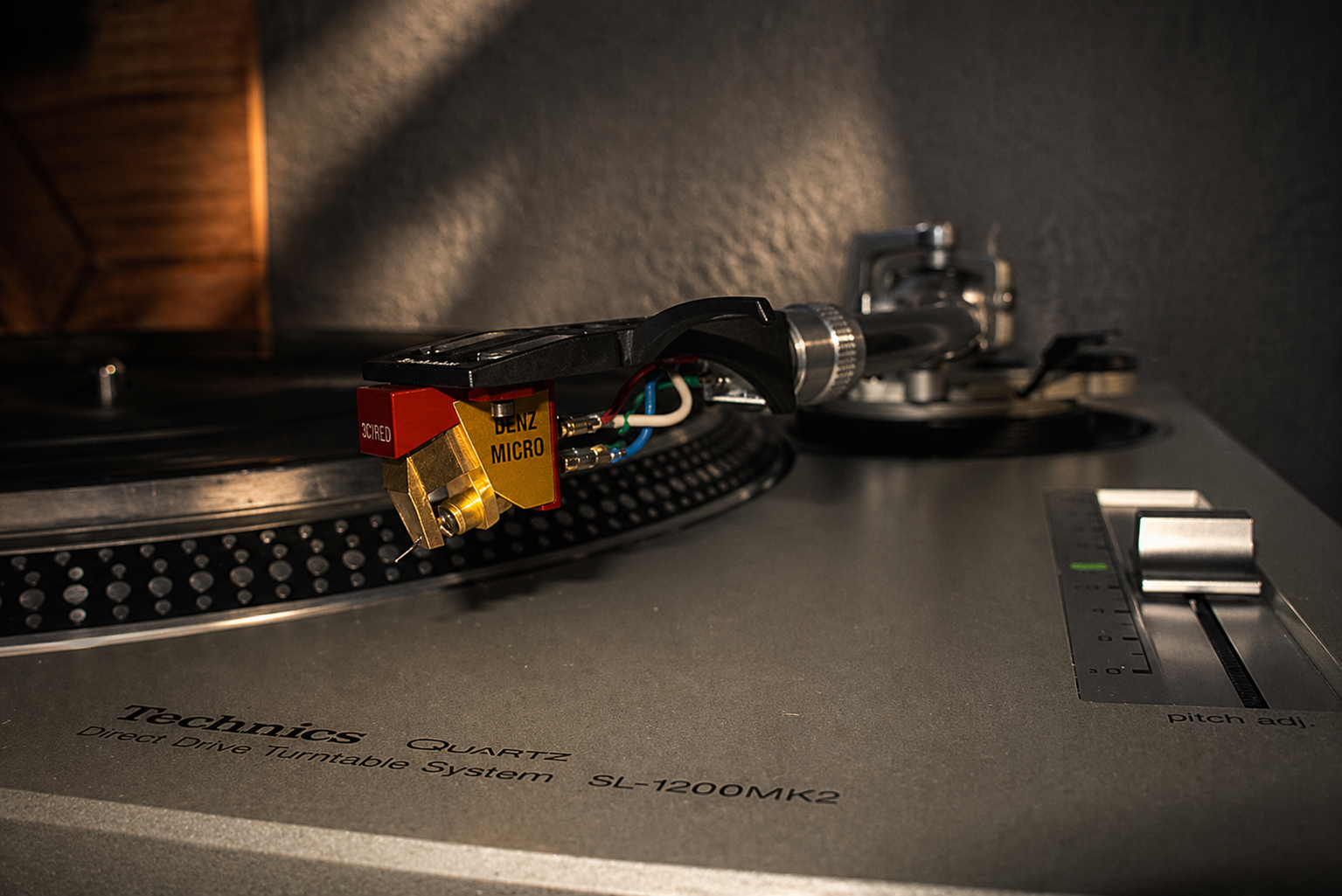
The 1200 featured:
- direct-drive motor
- strong torque
- durable construction
- precise pitch control
- stable platter speed
- heavy chassis that resisted vibration
Those features made it ideal for club environments and live manipulation.
In other words: it could take abuse and stay accurate.
That mattered.
Why Hip-Hop Chose the 1200
When hip-hop was being formed in the Bronx during the 1970s, DJs needed equipment that could survive constant cueing, backspinning, juggling records, and long parties.
Cheap turntables skipped.
Weak motors dragged.
Belts slipped.
The 1200 didn’t.
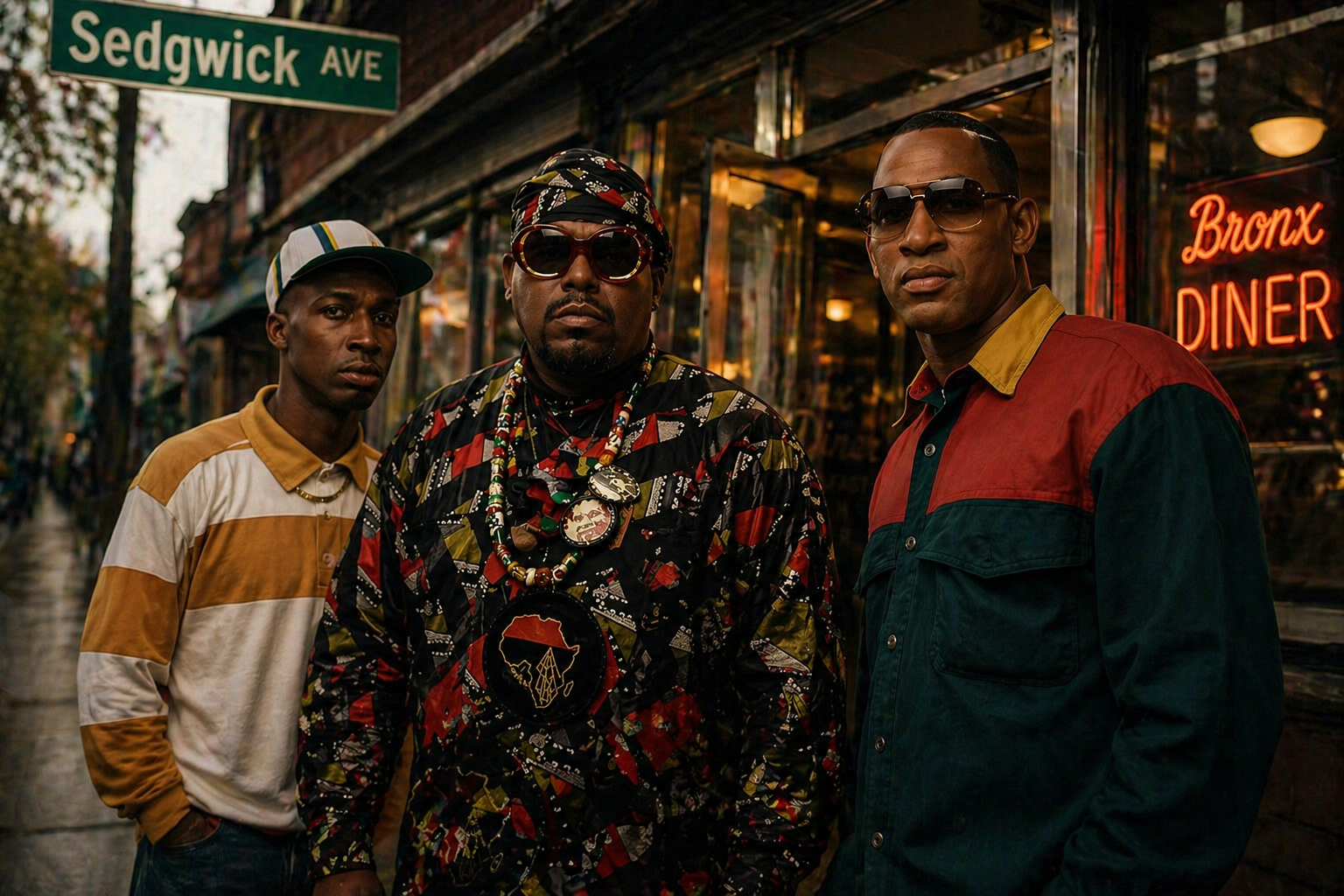
That reliability helped it become the preferred weapon for pioneers like DJ Kool Herc, Grandmaster Flash, and Afrika Bambaataa as the culture evolved.
The turntable wasn’t background equipment.
It became an instrument.
The Birth of Turntablism
Hip-hop transformed the purpose of the turntable.
DJs used two copies of the same record to extend breakbeats. They cut between records live. They scratched sounds rhythmically. They created routines that were part musicianship, part engineering, part performance art.
The Technics SL-1200 was central because it responded with consistency.
That gave rise to battle culture, mixtape culture, and eventually global turntablism scenes.
If the microphone was one voice of hip-hop, the platter was another.
Why DJs Trusted It
Ask old-school DJs why they loved 1200s and the answers usually sound the same:
Torque
The platter got to speed quickly, which mattered in live mixes.
Accuracy
Pitch sliders allowed beatmatching with real control.
Durability
These units lasted for years, sometimes decades.
Feel
There’s a tactile confidence in a 1200. The buttons, platter weight, and resistance all feel intentional.
That feel became part of the craft.
From Block Parties to Global Standard
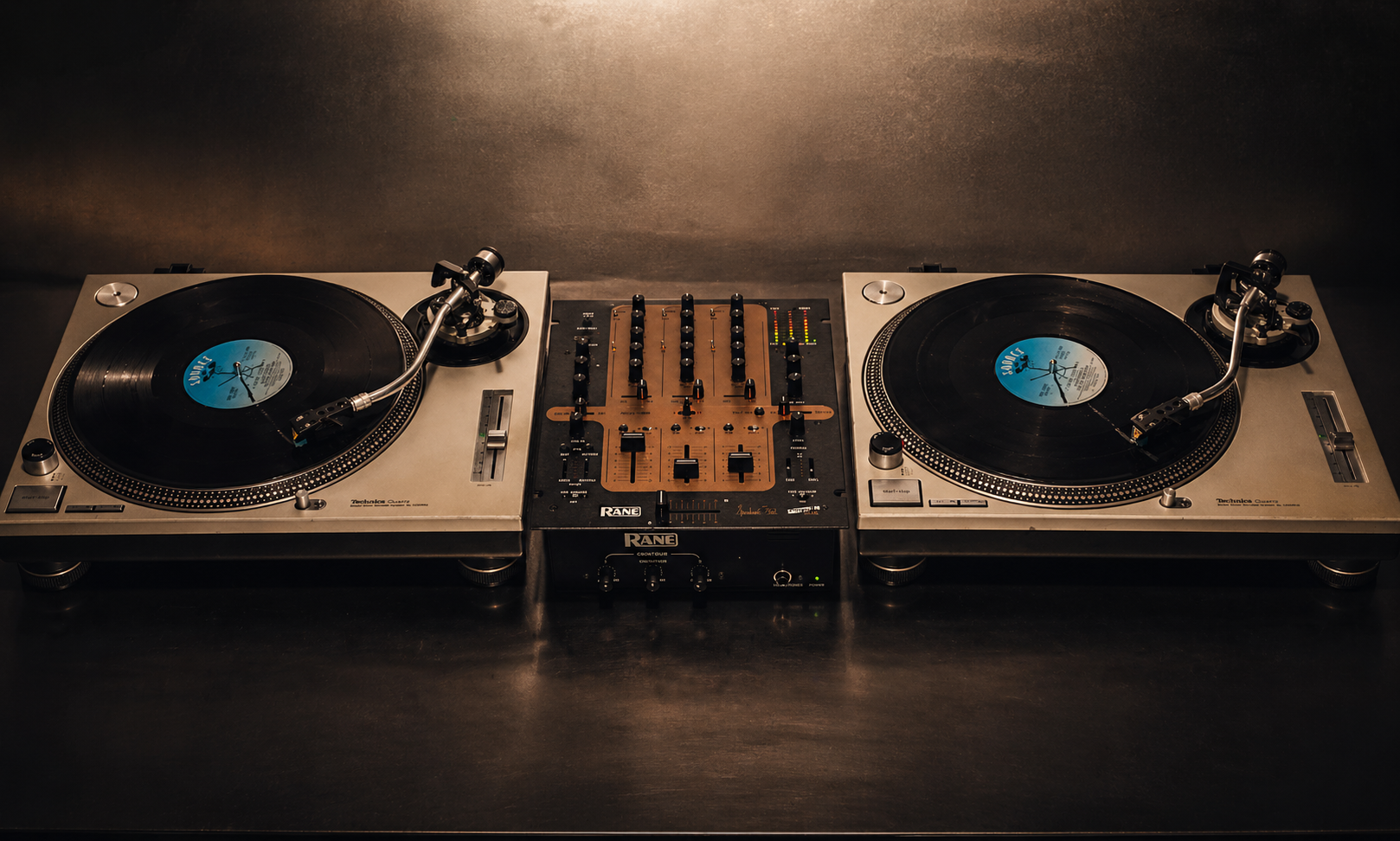
By the 1980s and 1990s, if you walked into a serious club, radio station, or battle stage, chances were high you’d see two 1200s and a mixer.
The setup became universal language.
From New York to Tokyo, London to Tampa, DJs understood what a pair of 1200s meant:
This booth is real.
The Pause and Comeback
Production of the classic SL-1200 line stopped in 2010, and many saw it as the end of an era.
But demand never died.
Collectors kept buying them. Repair shops stayed busy. DJs held onto their pairs like heirlooms.
Then Technics revived the line with updated models such as the SL-1200G and later versions, acknowledging what culture already knew:
The legend never left.
Why It Still Matters in Hip-Hop
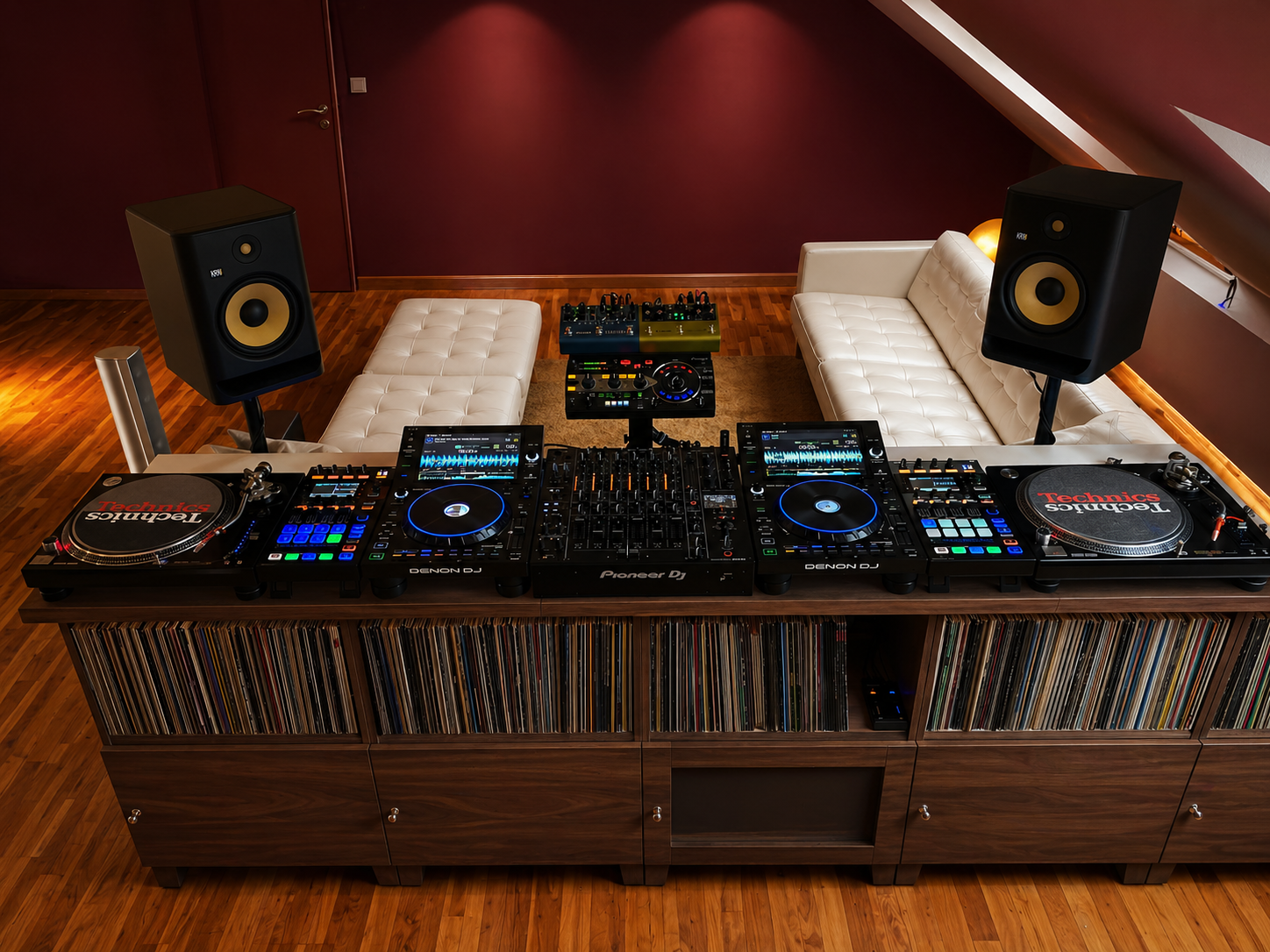
Today DJs can perform with controllers, DVS systems, USB sticks, and software. And that’s real progress. But the 1200 still represents something deeper:
- discipline
- hands-on skill
- ear training
- crate-digging roots
- respect for craft
Owning a pair still means something.
Using them well means even more.
Final Thought
Hip-hop took existing machines and turned them into new art.
Few examples are clearer than the Technics SL-1200 turntable.
It was built as audio equipment.
The culture turned it into an instrument.
And decades later, when people talk about the foundation of DJing, battles, mixtapes, scratching, and breakbeat science, the same name keeps spinning back around:
1200.
That’s not nostalgia.
That’s legacy.